
Syria Moves to Restore Key Rail Infrastructure in Latakia
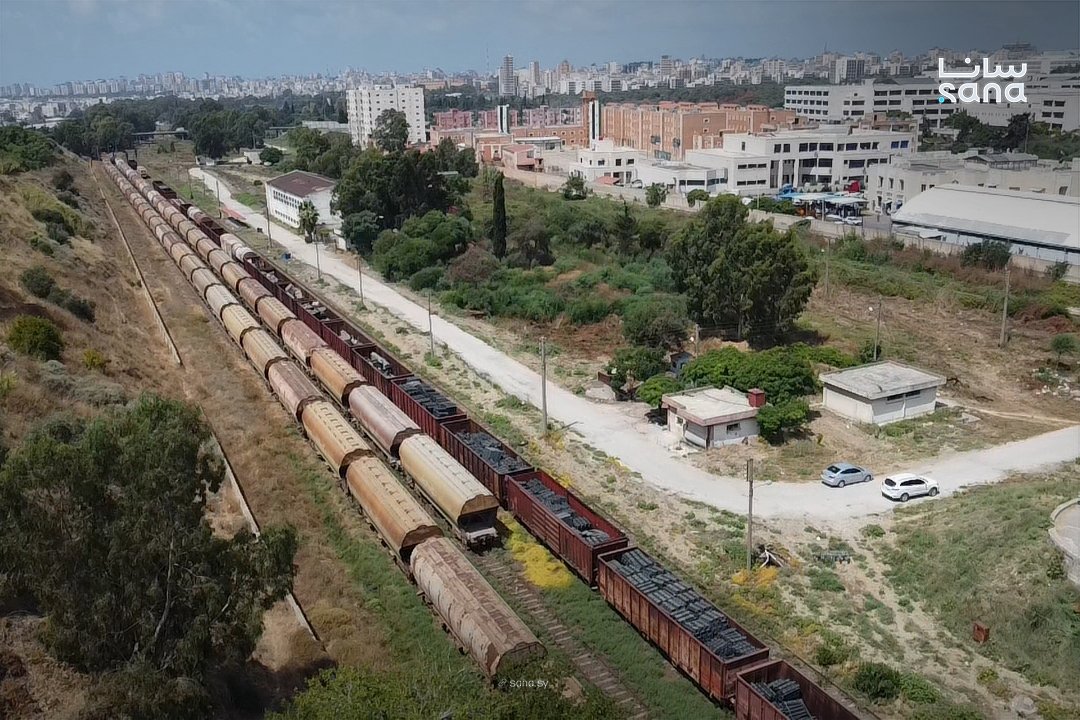
The Syrian General Railways Corporation has officially launched a comprehensive rehabilitation project for its fuel storage facilities at the Latakia branch. This initiative is a critical step in the ongoing state efforts to restore vital transport infrastructure that suffered extensive damage and theft during years of conflict and instability.
Technical teams, operating under a joint committee that includes representatives from the Ministry of Internal Trade and Consumer Protection and the national fuel company, have commenced the initial assessment phase. This work involves conducting rigorous technical inspections, calibration, and structural checks of the storage tanks. Experts are also auditing existing fuel stocks and analyzing the presence of contaminants to determine the specific scope of maintenance required to bring the tanks back to full operational status.
Mohamed Al-Haji, deputy head of the Latakia railway branch, emphasized that the project is not merely a repair effort but a quality-control operation. The objective is to ensure that these facilities meet modern safety and operational standards before they are reintegrated into the national supply chain. Restoring these tanks is seen as essential for supporting the logistical autonomy of the railway branch, particularly in providing the necessary fuel reserves to maintain consistent, reliable train operations.
This development is part of a broader, strategic national plan aimed at revitalizing Syria’s rail network. After years of service interruptions, the government is prioritizing the restoration of infrastructure to facilitate the movement of essential goods and commodities between governorates. The revitalization of the Latakia hub is particularly significant due to its role as a major gateway for maritime trade.
Recent milestones in this recovery process include the successful restoration of the railway line connecting Latakia to Tartous, which involved significant upgrades to track segments, track switches, and specialized railway sleepers. Furthermore, the rail sector has seen a resumption of commercial activity that had been suspended for over a decade. In January, the first grain transport train traveled from the port of Latakia to Aleppo, marking the end of a 15-year hiatus. Additionally, container transport services between the Latakia port and the industrial city of Adra were reactivated in May, effectively bridging a 14-year gap in transport connectivity.
By systematically restoring these logistical nodes, Syrian authorities are attempting to reduce reliance on road transport for bulk goods, aiming to lower distribution costs and enhance the efficiency of internal trade routes. The ongoing work in Latakia serves as a functional pillar for this strategy, ensuring that the rail network is not only physically capable of traversing the country but also properly equipped to handle the logistical demands of a recovering economy.
