
Syria Closes Nuclear Non-Compliance File: A New Era of Cooperation
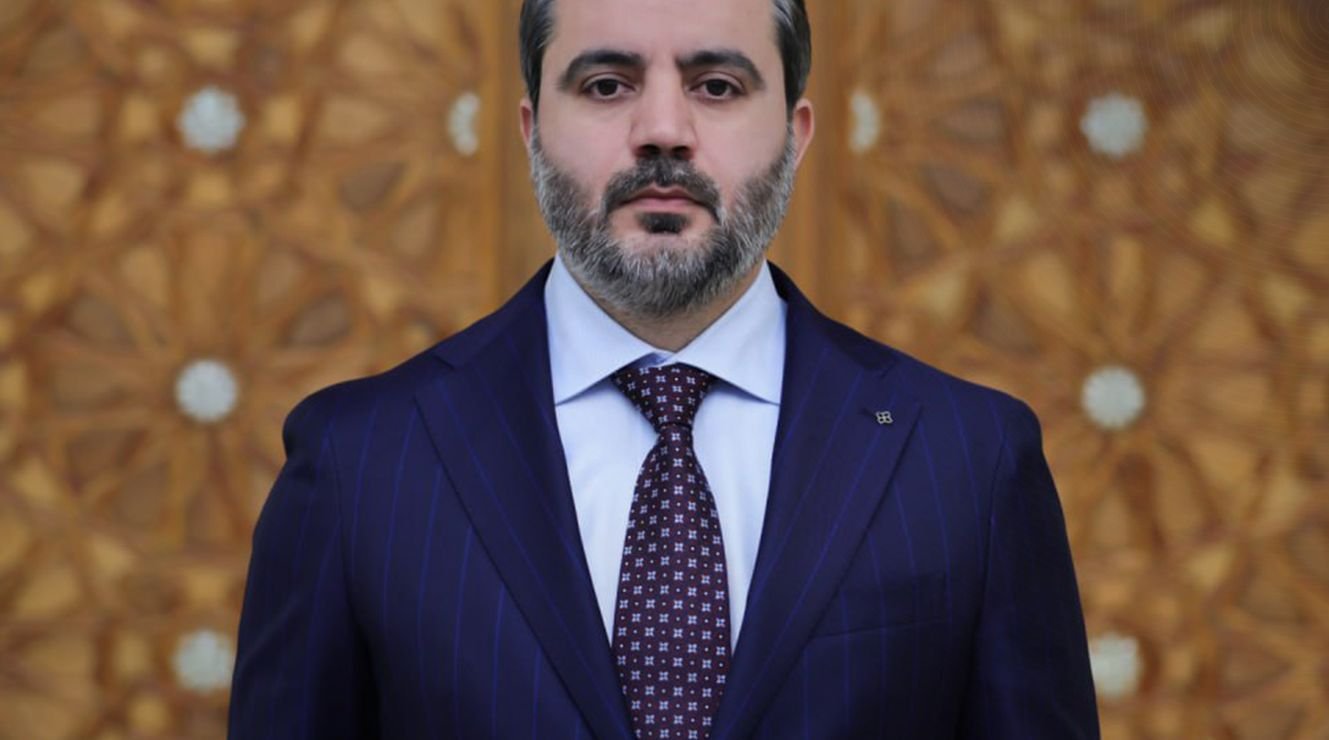
Syria’s Minister of Foreign Affairs and Expatriates, Bassam Hassan al-Shibani, has announced the definitive closure of the nuclear non-compliance file that has remained open against the country since 2011. He emphasized that the recent decision by the International Atomic Energy Agency (IAEA) Board of Governors represents a strategic turning point, paving the way for a new phase of international cooperation grounded in transparency and mutual trust.
In a video address delivered at the 70th General Conference of the IAEA, al-Shibani explained that the decision, adopted by consensus on September 9, brings an end to 15 years of uncertainty and initiates a period of clarity and joint action. The Minister noted that on July 17, Syria made a sovereign decision to disclose the presence of nuclear materials at an undeclared site, which was followed by the signing of a memorandum of understanding and a clear roadmap for the peaceful use of nuclear energy.
As part of these developments, al-Shibani revealed that Damascus granted IAEA experts access to the Deir ez-Zor site. IAEA Director General Rafael Grossi conducted a field visit to the facility on August 16, marking the first such visit in nearly two decades. The Minister confirmed that work has already commenced with inspection teams to remove reactor remnants from beneath the concrete. He stated that 73 tons of natural uranium are now fully under the supervision and safeguards of the agency.
Al-Shibani asserted that the Syrian Atomic Energy Commission successfully completed tasks that had been pending for over a decade within a matter of weeks. He explained that IAEA reports have documented the facts regarding the file and identified the shortcomings inherited from the past. Furthermore, he emphasized that Syria is now adopting transparency as a strategic choice and a sovereign approach, citing his country’s experience as a successful model for resolving nuclear non-proliferation issues through dialogue and cooperation rather than coercion.
Regarding the peaceful application of nuclear technology, al-Shibani stated that the roadmap signed with the agency has already entered into force. Damascus intends to utilize nuclear technologies in medicine for cancer treatment, agriculture, water resource management to combat drought, and the support of scientific research and energy production. He confirmed that all these programs will operate under strict international supervision to ensure compliance with non-proliferation standards.
Concluding his address, al-Shibani invited the IAEA Director General and its members to visit Damascus. He reaffirmed Syria’s commitment to strengthening its role within the non-proliferation system and reiterated the call for the implementation of the 1995 international resolution to establish a Middle East free of weapons of mass destruction, emphasizing the necessity of subjecting all regional facilities to a comprehensive safeguards system. Additionally, he denounced ongoing Israeli violations of Syrian sovereignty, labeling them a challenge to the credibility of the international community, and demanded international pressure to halt these aggressions and ensure adherence to relevant international agreements.
