
Sugar Beet Cultivation Declines Sharply in Hama’s Al-Ghab Region
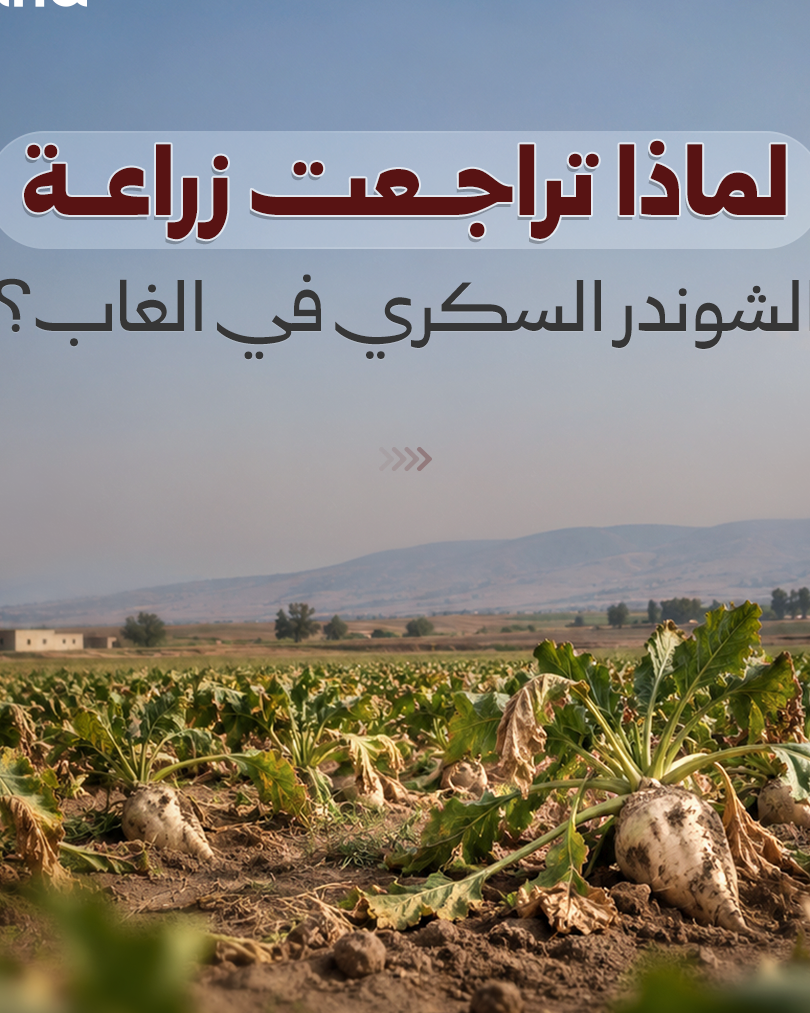
Sugar beet cultivation in the Al-Ghab region of Hama countryside is facing fundamental challenges that have led to a drastic reduction in the land area dedicated to this strategic crop over the past several years. Official figures indicate a striking decline, with cultivated areas falling from 7,928 hectares to just 855 hectares, highlighting a deepening crisis within this vital agricultural sector.
Farmers and experts attribute this significant retreat to a complex array of factors that have made the continued production of sugar beets increasingly difficult. Chief among these challenges is the persistent rise in production costs, including the prices of fertilizers, seeds, transportation fees, and the operational costs of agricultural machinery. These financial burdens place immense pressure on farmers, diminishing the economic viability of the crop when compared to other agricultural alternatives.
In addition to the financial strain, irrigation difficulties are exerting a direct and negative impact on productivity. The region currently faces technical and logistical obstacles in securing the water necessary for consistent and sustainable irrigation. This has led to the loss of vast tracts of land that were previously under cultivation and limits the ability of farmers to expand their planting areas.
Marketing challenges represent a further barrier to progress. Producers frequently struggle to get their crops to specialized processing facilities in a timely manner and at fair prices that cover production costs and provide a profit margin sufficient to sustain operations for the following season. These combined factors have led many farmers to abandon sugar beet cultivation, shifting instead toward other crops that are less costly or offer more stability in terms of marketing and the availability of supplies.
These indicators raise serious questions regarding the requirements necessary to restore the crop to its former place in the Al-Ghab region’s agricultural landscape. Experts note that urgent interventions are required, including support for production supplies, the provision of sustainable solutions for irrigation problems, and the organization of transparent and effective marketing mechanisms. Ensuring that these systems protect the rights of farmers is essential to encouraging them to return to the crop. Ultimately, reviving this agricultural sector depends on the ability to resolve these structural issues and create a supportive economic environment for the region’s farmers.
Source: Syria Focus Arabic
