
Residents of Daraa Celebrate Death Sentence Against Atef Najib
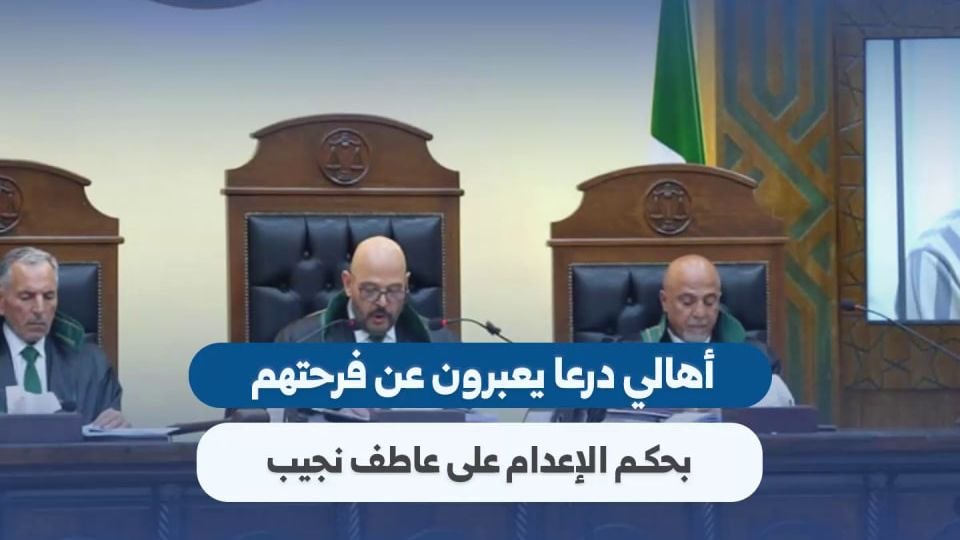
Residents of the southern Syrian governorate of Daraa gathered recently at the provincial Cultural Center to express their reactions to the legal proceedings involving Atef Najib. The public assembly focused on the recent developments surrounding the judicial process and the sentencing of Najib, a figure associated with the local administration during the onset of the conflict in the region.
The gathering, which took place within the facilities of the Cultural Center, served as a venue for local citizens to voice their sentiments regarding the verdict. According to reports from the site, the atmosphere was characterized by a clear response to the announcement of the death penalty handed down to the individual.
Daraa, a governorate that holds deep significance in the context of the developments that began in 2011, continues to see active civic participation regarding high-profile legal matters affecting the region. The meeting at the Cultural Center reflects the ongoing local engagement with judicial outcomes that address key figures from the past decade of instability.
Legal authorities involved in the case have not issued further public updates, but the demonstration at the Cultural Center underscores the significance the local population places on these judicial developments. The event highlights the lingering impact of past security and administrative actions in the area and how residents process accountability.
While the situation remains local to the Daraa governorate, the response from the community serves as an indicator of the public mood in the region. The gathering remained focused on the specific outcome of the court ruling and the broader implications for the individuals involved. As the legal situation unfolds, the residents of Daraa continue to monitor the status of proceedings related to figures from the province’s recent history. The mobilization at the Cultural Center stands as a notable instance of civil expression regarding the judiciary’s role in addressing grievances that have persisted in the southern part of the country for years. The authorities continue to oversee the administration of justice in the governorate as part of the broader national process to address cases stemming from the period of unrest. Residents remain attentive to how these court decisions are implemented and what they signify for the future of the region’s stability and the ongoing efforts toward restoring order.
