
Optimizing Fruit Consumption for Blood Glucose Management
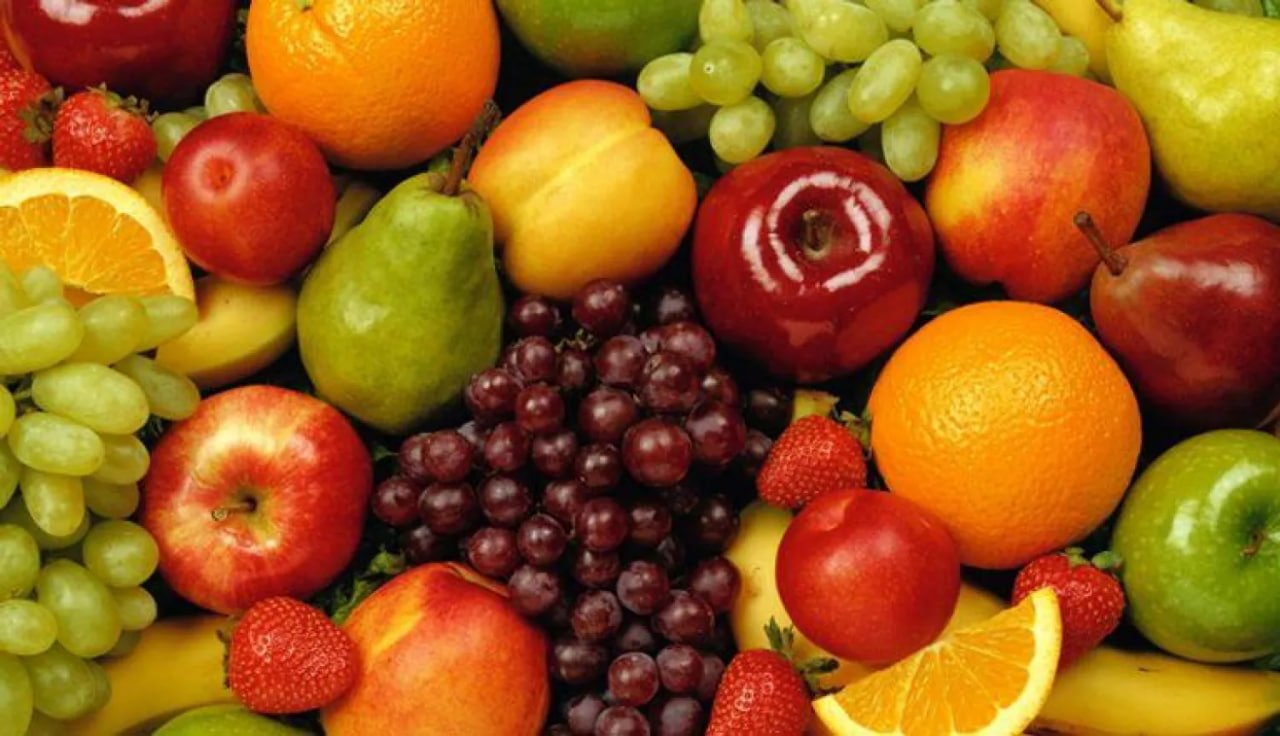
For millions living with type 2 diabetes or metabolic health concerns across the Middle East and North Africa, the strategy of managing glucose levels is a primary health priority. While dietary habits are well-understood, recent international scientific investigations suggest that it is not merely the choice of food that matters, but the precise order and timing of consumption that can influence the body’s metabolic response.
Recent findings published in leading scientific journals have shed light on the mechanics of glucose fluctuation. A study conducted by researchers at the Catholic University of South Korea, which tracked healthy young adults, emphasized that the distribution of caloric intake throughout the day is a critical factor. The data indicated that skipping or delaying breakfast, paired with heavier evening meals, leads to more significant spikes in blood glucose levels. While this research focused on general meal distribution, it underscores a growing consensus that the internal circadian clock plays a vital role in how the human body processes energy.
When narrowing the focus to fruit consumption, the sequencing of food intake becomes paramount. Research from the New Zealand Institute for Plant and Food Research demonstrated that the timing of fruit intake—specifically kiwifruit—in relation to a carbohydrate-rich meal can significantly mitigate glycemic impact. Participants who consumed the fruit 30 minutes before their main meal saw a reduction in post-prandial blood sugar spikes by nearly 47 percent. This suggests that the fiber and nutrient composition of fruit, when consumed early, may act as a buffer for the subsequent absorption of carbohydrates.
However, the clinical picture is more nuanced for those already diagnosed with metabolic conditions. A separate study involving patients with type 2 diabetes, conducted by researchers at Sebelas Maret University in Indonesia, investigated the impact of fruit order on insulin levels and pancreatic beta-cell function. The findings revealed that the effects were not universal across all fruit types. Interestingly, fruits with a higher glycemic index sometimes demonstrated better performance for insulin-related markers when consumed after a main meal, rather than before. This indicates that a “one-size-fits-all” approach is not suitable for clinical diabetes management.
The broader scientific consensus highlights that blood glucose stability is dictated by a complex interaction of factors rather than a single rule. The quality of the fruit—specifically the inclusion of whole fruit versus processed juices—remains the most important variable. Whole fruits provide essential dietary fiber, which naturally slows the digestive process and lowers the glycemic load.
For health professionals in the MENA region, these findings emphasize that patients should avoid arbitrary restrictions, such as banning fruit during certain hours of the day. Instead, nutritional counseling should prioritize the total daily intake, the consistency of meal timing, and the integration of whole fruits into a balanced, fiber-rich diet. As research continues to evolve, the medical community remains cautious, calling for larger, longitudinal studies to tailor dietary guidelines to individual physiological responses and specific health profiles.
