International Day of Islamic Art: A Legacy Reflected in Syrian Architecture
On November 18, the United Nations Educational, Scientific and Cultural Organization (UNESCO) observes the International Day of Islamic Art. This annual occasion is dedicated to highlighting the rich, centuries-old Islamic artistic legacy that spans diverse cultures, while recognizing its pivotal role in establishing a universal visual language defined by innovation and masterful craftsmanship.
This global event serves as a platform to showcase Islamic artistic expressions, both historical and contemporary, and to emphasize their fundamental contributions to human civilization. Through international activities, the day aims to foster dialogue between peoples, encourage the exchange of artistic and research expertise, and intensify efforts to preserve this heritage from extinction.
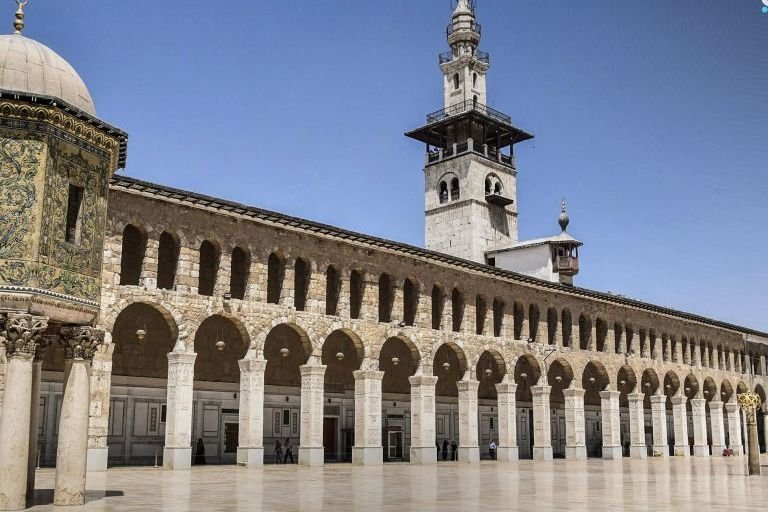
In Syria, Islamic art stands as a cornerstone of the nation’s cultural and architectural memory. The Umayyad Mosque in Damascus remains an exceptional model and a living testament to the grandeur of early Islamic art. This historic site features intricate colored glass mosaic techniques adorning its walls. These mosaics meticulously depict natural scenes, including gardens, buildings, trees, and flowing water, all set against gilded backgrounds. Such work reflects the ingenuity of local Levantine craftsmen who developed unique styles within this art form.
According to the Syrian Encyclopedia Authority, the art of mosaic that characterized early Islamic structures—most notably the Umayyad Mosque—is deeply linked to the skills of Syrian artisans. These craftsmen possessed the ability to transform geometric and floral motifs into complex artistic compositions that reflect centuries of cultural interaction.
This artistic heritage extends far beyond architecture and mosaics, encompassing a wide spectrum of arts that flourished in the region. This includes the development of Arabic calligraphy, manuscript illumination, gilding, and bookbinding, as well as advancements in ceramics, metalwork, and textiles. These various art forms serve as a reflection of the diverse environments that fostered Islamic art and the continuous cultural exchange that occurred throughout history.
Coinciding with this international day, various events are held worldwide, including workshops and museum tours. These activities are designed to introduce new generations to the techniques of Islamic ornamentation and the importance of documenting this heritage. By keeping these art forms present in modern urban architecture and museum exhibitions, these efforts ensure the transmission of artisanal skills while deepening the historical and aesthetic understanding of the values held by Islamic art—a vital component of the cultural and visual identity of Syria and the broader region.
Source: Syria Focus Arabic
