
Homs Environment Directorate Consults on New Annual Awareness Plan
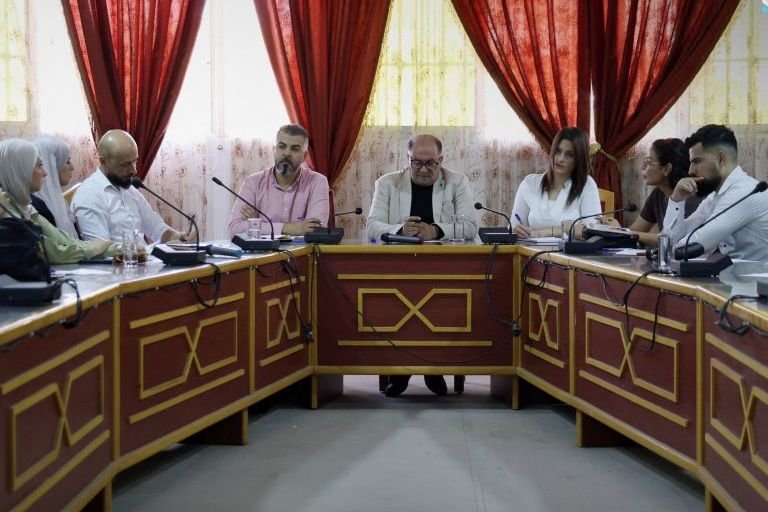
The Homs Environment Directorate has initiated a collaborative effort to develop a standardized annual plan aimed at enhancing environmental awareness and coordination across the province. The move, discussed during a recent consultative meeting, seeks to shift the focus from individual, fragmented efforts to a unified, multi-stakeholder approach involving various government bodies, non-governmental organizations, and local community representatives.
Talal Al-Ali, the Director of the Environment in Homs, stated that the upcoming annual plan will specifically delineate the roles and responsibilities of each participating entity. By clearly defining objectives, activities, and reporting mechanisms, the directorate hopes to foster better synchronization among government agencies, including the agricultural, tourism, education, and water resource sectors. The initiative is also set to encompass municipal councils and public utility providers, with a primary focus on rationalizing resource consumption and improving solid waste management.
Highlighting the long-term benefits of the strategy, Al-Ali noted that effective environmental education yields results far beyond public health. He emphasized the economic impact of such efforts, explaining that proactive environmental awareness can significantly reduce the costs associated with mitigating damages caused by improper waste disposal and poor resource management. The directorate has also pledged to provide full support to the media, ensuring journalists have access to the necessary data to report accurately on environmental issues facing the region.
Water resource management remains a central pillar of the initiative. Hassan Shaheen, head of the Water Quality Monitoring Division at the Homs Water Resources Directorate, stressed the ongoing efforts to monitor water sources through regular site visits, water sampling, and systematic laboratory testing. He called for a heightened focus on promoting modern irrigation techniques and warned against the dangerous practice of using untreated sewage water for agricultural purposes.
In the realm of education, representatives from the Homs Education Directorate highlighted the importance of integrating environmental stewardship into the school curriculum. By continuing collaboration with the Environment Directorate, schools aim to normalize habits such as tree planting and hygiene, which students are then expected to reinforce within their own families and local communities.
Furthermore, the management of solid waste is seeing renewed attention. Sker Daroubi, an engineer with the Homs City Council’s Cleaning Directorate, explained that the province is actively activating an awareness component within its solid waste strategy. This effort is supported by the UN-Habitat program, which has already launched localized campaigns—such as those currently underway in the Al-Waer neighborhood—to encourage waste segregation at the source. The council is emphasizing the importance of adherence to refuse disposal schedules and the use of secured bags to maintain urban cleanliness.
As the planning phase progresses, representatives from various civil society groups, including the Al-Tatweer Foundation and the Nahda Foundation for Development, noted that consistent communication and funding remain critical for success. They advocated for innovative outreach methods, including school-based educational programs and theatrical performances, to effectively reach younger generations. Participants concluded the meeting by reaffirming their commitment to establishing a structured framework that transforms these proposals into sustainable, actionable projects for the province.
