
Damascus Court Sentences Bashar al-Assad to Death
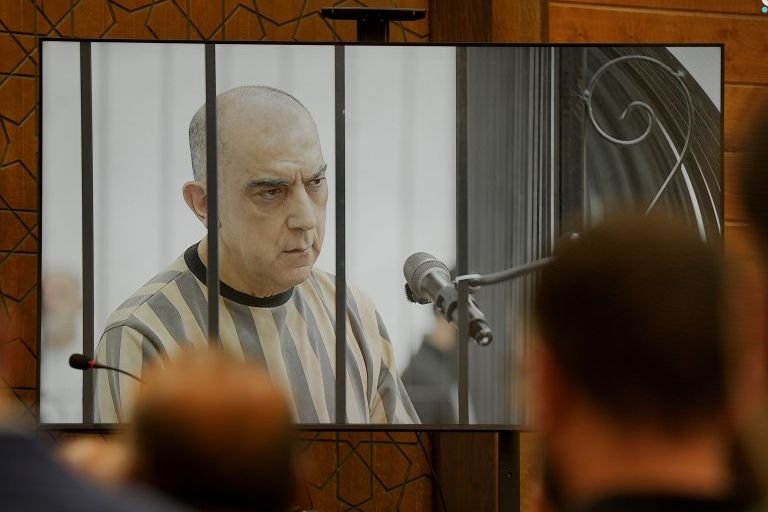
The Fourth Criminal Court in Damascus delivered a landmark verdict on Tuesday, sentencing Bashar al-Assad, former security official Atef Najib, and seven other individuals to death. The ruling, which concludes the ninth session of a legal proceeding centered on charges of crimes against humanity committed against the Syrian people, marks a significant development in the domestic judicial process regarding the conflict.
In addition to Bashar al-Assad and Atef Najib, the court sentenced Maher Hafez al-Assad, Fahd Jassim al-Freij, Muhammad Ayman Ayoush, Luay Ali al-Ali, Qusay Ibrahim Mihoub, Wafiq Saleh Nasser, and Talal Fares al-Aisami. The session was presided over by Judge Fakhr al-Din al-Aryan, with the presence of the Public Prosecutor, Hassan al-Turba, and the head of the National Commission for Transitional Justice, Abd al-Basit Abd al-Latif, alongside international legal observers and families of victims.
During the proceedings, Judge al-Aryan detailed the evidentiary basis for the sentences, noting that investigations and witness testimonies established the direct involvement of Atef Najib in the detention and interrogation of individuals following the outbreak of protests in Daraa. The court heard evidence confirming that the Political Security branch in Daraa, under Najib’s command, conducted raids on the Omari Mosque and orchestrated security campaigns against civilians in the region, which officials referred to as the “trap” operation.
Regarding the role of Bashar al-Assad, the court concluded that his actions constituted those of the ultimate decision-maker, utilizing state apparatuses to facilitate large-scale abuses. The court formally charged him with premeditated murder, specifically citing the deaths of numerous individuals and children, as well as systemic arbitrary detention, torture, and crimes against humanity.
The verdict represents a continuation of the legal efforts led by the judiciary to address grievances stemming from the early stages of the Syrian crisis. As the case reaches this stage, the court’s decision underlines the state’s formal position on the accountability of those named in the proceedings. The session was documented with official testimony and represents a significant step in the ongoing judicial review of those deemed responsible for the widespread violence. The trial proceedings remain a focal point for observers tracking the legal landscape in the country as the judicial process continues to unfold.
