
Geophysical Study Launched to Inspect Damascus Railway Foundation
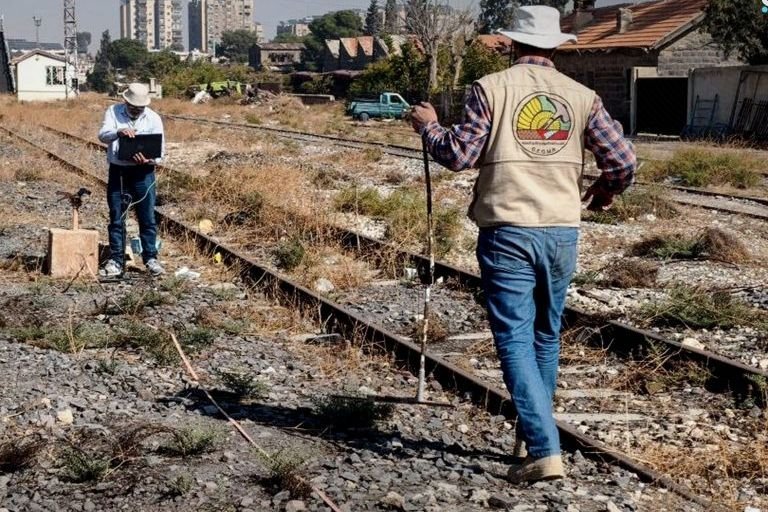
Technical teams from the General Establishment for Geology and Mineral Resources, in collaboration with the Syrian General Railways Corporation, have launched an extensive field geophysical study along the railway track connecting the Al-Asali area to the Al-Qadam station in Damascus. The study, which spans an estimated distance of one kilometer, is part of ongoing efforts to maintain the safety and integrity of the railway transport infrastructure.
According to data from the Ministry of Energy, this technical initiative aims to conduct a precise survey to detect the presence of any tunnels or cavities that may exist beneath the railway line. The study utilizes specialized geophysical techniques capable of identifying the locations, dimensions, and extent of such voids with high accuracy. This data is essential for providing the necessary technical information to assess the geological and structural status of the soil under the track.
The importance of this work lies in strengthening the engineering safety measures for railway lines. The expected results aim to verify the stability of the soil and the infrastructure supporting the track, which will contribute directly to mitigating potential geological risks. This effort is part of a national strategy to ensure the safety of train movements and the operational continuity of the railway network.
The Ministry of Energy emphasized the continuous role of the staff of the General Establishment for Geology and Mineral Resources in leveraging their technical and field expertise to support national projects. The ministry noted that these tasks fall within the establishment’s mandate to evaluate geological formations and conduct soil studies. The General Establishment for Geology and Mineral Resources is the designated body responsible for geological research and mineral resource exploration, playing a central role as a technical consultant in assessing natural wealth and contributing to soil stability studies across various Syrian provinces.
This initiative reflects a commitment to protecting national infrastructure through scientific research, particularly in areas experiencing high railway activity or requiring periodic assessment to ensure the efficiency and safety of vital facilities and public sector assets.
Source: Syria Focus Arabic
