
Euphrates Water Levels Rise in Raqqa Following Increased Flow
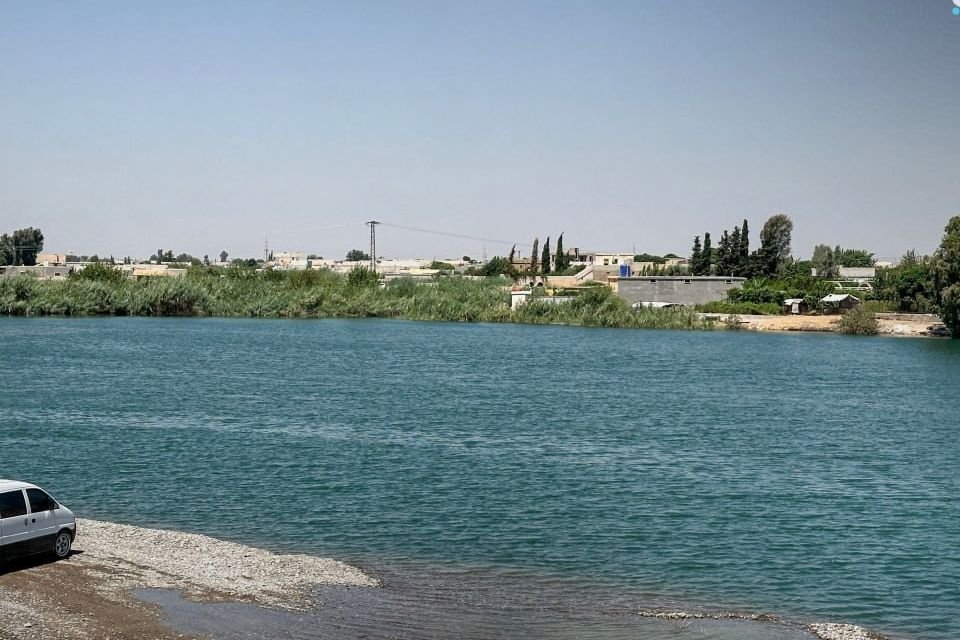
Residents in the city of Raqqa have observed a marked increase in the water levels of the Euphrates River this week. The rise in the river’s volume follows a confirmed uptick in the water flow crossing the border from Turkey into Syrian territory. The Euphrates, a critical lifeline for agriculture, energy production, and local water supplies across northern and eastern Syria, has seen fluctuating levels in recent years due to complex regional water management dynamics. For the local population in Raqqa, the current increase is highly visible along the riverbanks. The Euphrates serves as the primary source for the province’s irrigation systems and is vital for the continued operation of hydroelectric facilities that support the regional power grid. In recent years, fluctuating water levels have had direct impacts on the livelihoods of farmers in the Euphrates basin, who rely on consistent flow for crops including wheat and cotton. Water security remains a sensitive and essential issue for the region, as the river’s capacity dictates both the viability of local agricultural output and the stability of municipal water services. While authorities and local observers continue to monitor the situation, the immediate effect of this increased flow is a shift in the river’s physical footprint within the city. The increased volume is expected to assist in alleviating some of the stress on irrigation networks that have struggled under lower flow conditions in previous seasons. However, the reliance of local communities on the transboundary river means that any changes in flow from the north remain a subject of close observation for both government agencies and agricultural stakeholders. The situation in Raqqa reflects the broader importance of the Euphrates as a shared resource that fundamentally shapes the economic and infrastructural landscape of northeastern Syria. As the water levels stabilize, local stakeholders will continue to assess the benefits and potential management needs associated with the current influx of water into the province.
