
Energy Sector Data Highlights Syria’s Economic Recovery Path
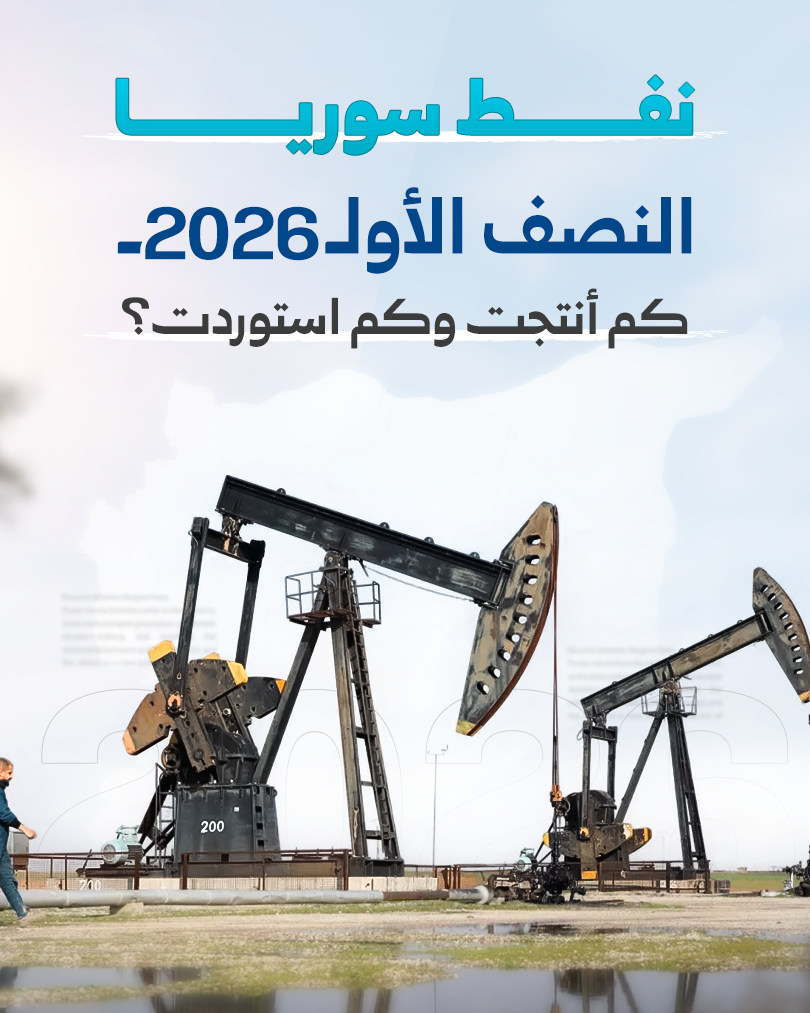
The Syrian energy sector has recently been the subject of new analytical data, with figures highlighting the evolving state of the nation’s oil and gas production. These indicators provide a transparent look at the current capacity and the broader trajectory of the Syrian economy as it seeks to address ongoing challenges and work toward stabilization.
Energy infrastructure remains a cornerstone of the country’s recovery strategy, with recent reports focusing on the output levels and resource management within the sector. By examining the current statistics, planners and policymakers are attempting to map out the potential for growth and the long-term sustainability of the national power grid and industrial fuel supply chains.
For years, the energy sector in Syria has faced severe constraints due to regional instability and the destruction of critical infrastructure. However, the latest figures suggest a shift in focus toward the restoration of operational capacity. The data points underscore the strategic importance of stabilizing these resources to facilitate the reconstruction of other vital sectors, including agriculture and transportation, which rely heavily on consistent fuel availability.
The recovery of the oil and gas industry is viewed as a prerequisite for broader economic improvement. By modernizing extraction techniques and prioritizing the repair of damaged processing facilities, the sector aims to meet domestic demand more effectively. These efforts are part of a larger, systemic approach to revitalizing the Syrian economy, ensuring that the supply of energy is better aligned with the needs of the population and the requirements of emerging industrial initiatives.
Furthermore, the transparency provided by these data points allows for a more targeted allocation of resources. As the government continues to assess the viability of different energy projects, these figures serve as a critical benchmarking tool. The path to recovery is described as a multi-stage process where energy security acts as the primary engine for broader macroeconomic stability.
While the challenges remain significant, the focus on quantitative assessment indicates a rigorous effort to ground development strategies in factual reality. As infrastructure projects progress, the integration of more reliable data will remain essential for monitoring the pace of development and ensuring that the energy sector can continue to support the long-term goals of national reconstruction and economic resilience. The current trajectory, based on these indicators, reflects a commitment to restoring key energy assets to levels that can reliably contribute to the nation’s overall socioeconomic well-being.
