Damascus Forum Explores Revitalizing Cultural Centers in Syria
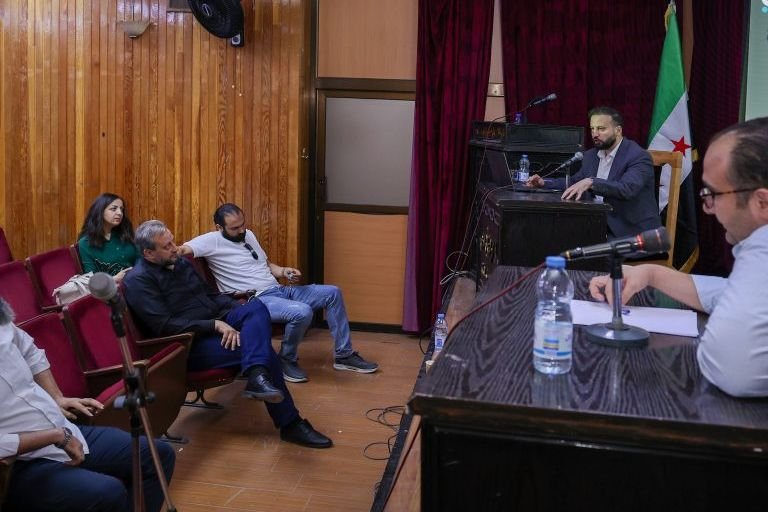
A recent symposium held at the Arab Cultural Center in Abu Rummaneh, Damascus, has spotlighted the need to redefine the institutional role of cultural centers across Syria. As part of the ongoing Damascus Cultural Forum, participants engaged in a dialogue focused on shifting these centers from mere venues for hosting events to dynamic institutions capable of fostering community growth, discovering local talent, and nurturing sustainable cultural development.
The discussions centered on the theme of ‘Cultural Centers and Their Role in Cultural Construction,’ addressing existing gaps that have hindered public engagement. Stakeholders identified a pressing need to break away from outdated stereotypes that have historically portrayed cultural centers as exclusive domains for a niche segment of the intellectual community. This perception, participants noted, has contributed to a widening disconnect between these institutions and the younger generation.
To bridge this divide, the forum recommended a strategic pivot toward more inclusive programming that reflects the contemporary needs of Syrian society. There was a consensus that cultural centers must open their doors to diverse segments of the population. Furthermore, the participants emphasized the necessity of modernizing marketing and communication strategies. While leveraging social media is seen as a vital step in reaching youth, the panel stressed that promotional efforts must be matched by high-quality, substantive content that offers genuine educational and intellectual value.
Proposed initiatives include diversifying the subject matter offered by these centers to cover issues directly relevant to modern life, such as career development, volunteerism, public health, environmental sustainability, and digital skill-building. Experts also suggested the creation of professional courses in fields such as journalism, public speaking, and the Arabic language to help cultivate new talent.
Beyond programming, the forum called for a fundamental change in the relationship between cultural centers and the public. Participants advocated for moving away from the model of a ‘consumer audience’ toward a ‘partner audience.’ This involves actively involving community members in selecting topics, shaping initiatives, and executing projects. Such a participatory approach is intended to restore public trust and ensure that cultural activities yield tangible results for the local community.
Collaboration with broader societal institutions, including schools, universities, and civil society organizations, was highlighted as a critical component of this revitalization. Additionally, attendees suggested that library spaces within these centers should be re-envisioned as interactive hubs, where lectures evolve into dynamic discussions that prioritize audience engagement over traditional, one-way presentations. The event underscored the importance of integrating digital media and virtual experiences to keep pace with rapid technological changes, ensuring that Syria’s cultural infrastructure remains relevant and impactful for future generations.
