
Atomic Energy Commission Advances Syrian Food Security Through Research
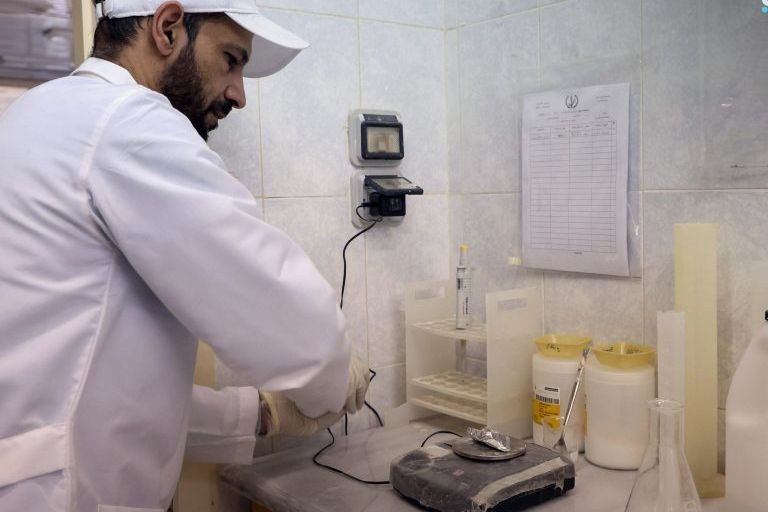
The laboratories for nuclear and biological plant technologies, operating under the Department of Molecular Biology and Biotechnology at the Atomic Energy Commission in Damascus, are continuing their strategic role in supporting the Syrian agricultural sector. The core functions of these facilities are centered on protecting plant genetic resources and bolstering the national food security system through advanced research and analytical programs aimed at plant genetic improvement.
Abdul Hamid Qatini, director of the commission’s media office, stated that the laboratories are dedicated to preserving national plant genetic assets from degradation or loss. This is achieved through meticulous documentation and the study of genetic characteristics. These efforts contribute to the development of robust scientific databases that support biodiversity conservation programs in Syria. Furthermore, this work provides an essential genetic foundation for plant breeding and improvement processes, assisting in the development of local varieties capable of adapting to environmental changes.
As part of their genetic improvement initiatives, research teams are employing DNA technologies and modern biotechnologies to develop plant varieties with high tolerance to environmental stressors, particularly the drought and salinity challenges currently affecting crops in several Syrian regions. Additionally, molecular marker-assisted selection techniques and genetic mapping analysis are helping to accelerate plant breeding cycles. This approach reduces the time and effort required to produce strains with higher yields and improved quality.
The laboratories also play a supervisory and service-oriented role in the food safety sector. They provide precise analytical services to detect genetically modified organisms (GMOs), verify meat identities, and identify instances of food fraud using sophisticated DNA testing. These measures are designed to protect Syrian consumers and ensure that products meet established scientific and health standards in the market.
In terms of capacity building, the laboratories produce specialized plant tissue culture media, which serves as a fundamental pillar for the vegetative propagation of micro-plants and the production of disease-free specimens. The commission’s activities also extend to training and qualifying national cadres, including researchers, students, and specialists, with the objective of transferring advanced scientific knowledge and localizing biotechnologies within the Syrian agricultural sector.
These activities form part of the Atomic Energy Commission’s broader mandate to foster a culture of innovation in scientific research and integrate modern technologies into national agricultural development. By balancing technological advancement with the protection of natural resources and consumer interests, the commission aims to strengthen the agricultural sector’s resilience against current environmental and economic challenges.
Source: Syria Focus Arabic
