
Damascus Bar Association Stresses Pursuit of Chemical Massacre Case
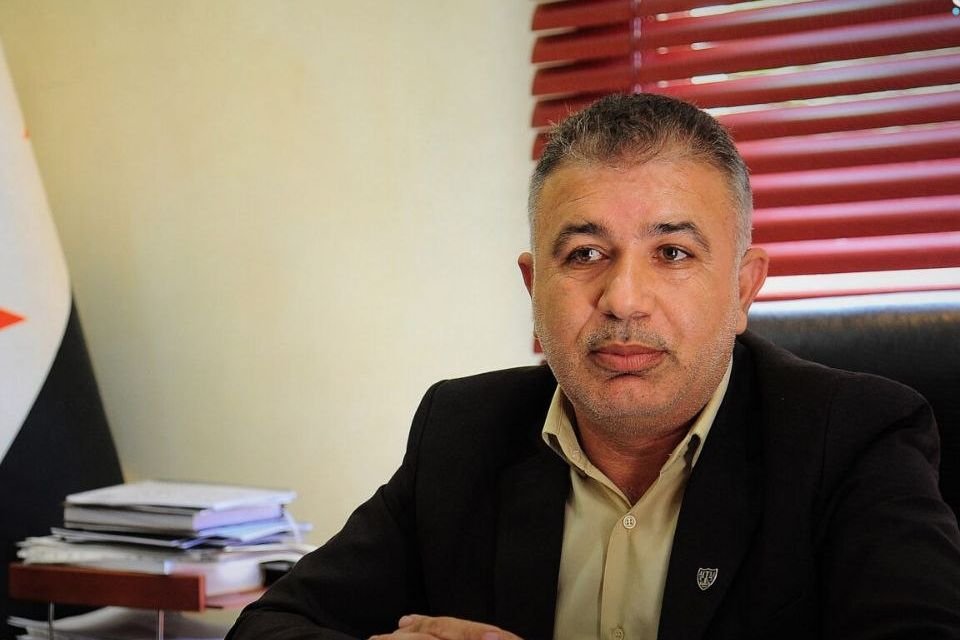
The head of the Rif Dimashq branch of the Syrian Bar Association, Basil Ibrahim, has publicly stated that the legal pursuit of individuals involved in the 2013 chemical weapons attack in the Damascus suburbs remains an active obligation. Ibrahim emphasized that the case regarding the incident, which occurred thirteen years ago, remains open before the international community and the collective humanitarian conscience.
Speaking on the anniversary of the event, Ibrahim declared that tracking those responsible—including those who issued orders, those who carried out the attacks, and those who participated in the concealment of evidence—is a mandatory legal process that does not expire over time. He framed this pursuit as a fundamental step toward achieving transitional justice in Syria, stressing that the truth must be uncovered and those involved held accountable through proper judicial channels.
Ibrahim noted that the massacre, which resulted in the deaths of thousands of civilians, including women and children, constitutes war crimes and crimes against humanity under international law. He called upon the international community to meet its responsibilities and facilitate the process of bringing the perpetrators to justice, both at the national and international levels. He clarified that the Bar Association’s commitment extends beyond simply commemorating the victims; it involves actively protecting the rights of survivors and the families of the deceased. This includes ensuring access to compensation for material and moral damages, which he described as essential for restoring the rule of law and supporting the broader goals of national reconciliation.
The 2013 incident involved the use of surface-to-surface rockets loaded with sarin gas, targeting populated areas in the eastern and western suburbs of Damascus, specifically Zamalka, Ein Tarma, and Moadamiyah. A United Nations investigation at the time gathered evidence regarding the nature of the weapons used in the attacks.
In the wake of these developments, the current Syrian government has initiated its own efforts to investigate and prosecute those deemed responsible for the management and deployment of chemical weapons during the previous administration. According to official statements, the Ministry of Interior has arrested several high-ranking officers and officials, including Major General Adnan Aboud Helweh, Colonel Ahmed Habib Ali, and Brigadier General Khardal Ahmed Dioub. These arrests are intended to prepare the cases for judicial review, reflecting a stated intent to hold those involved in the chemical weapons file accountable for their actions against the Syrian population. The government maintains that these legal actions are part of a broader, ongoing effort to address past injustices and restore accountability within the national legal system.
