13 Years On: Syria Pursues Justice for Ghouta Chemical Massacre
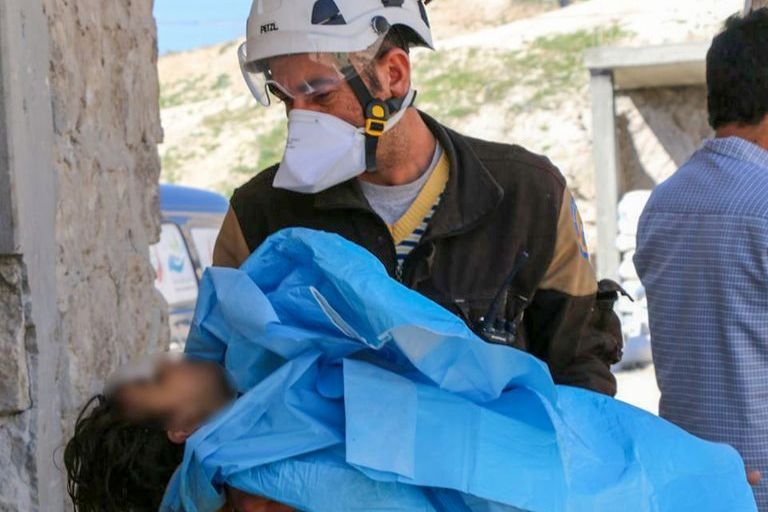
Thirteen years have passed since the tragic chemical weapons attack on Eastern Ghouta, a day that remains etched in the collective memory of the Syrian people. On August 21, 2013, the peaceful morning air in the suburbs of Damascus was transformed into a lethal weapon as sarin gas was deployed, claiming the lives of over 1,400 people, including hundreds of children and women. Since the national transformation on December 8, 2024, the anniversary has evolved from a day of mourning into a determined pursuit of justice, truth, and the complete dismantling of the former regime’s chemical legacy.
At approximately 2:00 a.m. on that fateful day in 2013, rockets filled with sarin gas struck Zamalka, Ein Tarma, Hammouriyeh, Saqba, Douma, Mleiha, Kafr Batna, Jisreen, and Muadamiyat al-Sham. The timing was calculated to coincide with temperature drops, which allowed the dense gas to settle toward the ground, maximizing the impact on civilians sleeping in their homes. Medical facilities, already strained by years of blockade, were quickly overwhelmed as victims exhibited symptoms of respiratory failure, muscle convulsions, and pupil dilation.
In the aftermath, United Nations investigations led by Åke Sellström confirmed the use of sarin based on biological and environmental samples. Despite the former regime’s attempts to obstruct investigations and manipulate witness testimony, the evidence was definitive. International reports, including those from Human Rights Watch, debunked claims of accidental occurrences, highlighting the scale and tactical nature of the attacks. Subsequent findings by the Organization for the Prohibition of Chemical Weapons (OPCW) further implicated the former regime in multiple chemical incidents, including those in Latamneh and Saraqib.
Following the political transition in December 2024, the state has prioritized full transparency and accountability. In July 2026, Syria restored its full rights and privileges within the OPCW. Cooperation between the new Syrian leadership and international bodies has reached unprecedented levels, facilitating the discovery of prohibited ordnance and materials related to the former chemical program. These efforts have led to the detention of several high-ranking officers and experts previously involved in the chemical warfare sector, including Major General Adnan Aboud Halwa, Brigadier General Khardal Ahmed Dioub, and Colonel Ahmed Habib Ali.
Institutional efforts are now centralized under the National Commission for Transitional Justice, established by Presidential Decree No. 20 on May 17, 2025. This body is tasked with documenting the truth, ensuring accountability, and providing reparations to victims. Furthermore, the Syrian government is coordinating with the UN’s International, Impartial and Independent Mechanism (IIIM) to manage evidence, including the cataloging of archives and field data to support future legal proceedings.
President Ahmed al-Sharaa has emphasized that accountability for such crimes is a fundamental right that does not lapse with time. During meetings with survivors in 2025, the President reaffirmed the state’s commitment to justice, stating that the suffering of the Syrian people must be matched by a rigorous, transparent, and unwavering legal process. As Syria continues to move forward, the memory of the victims of Ghouta serves as a sobering reminder of the necessity of a state built on the rule of law and the protection of human dignity.
