
Idlib Restores 157 Administrative Units to Boost Regional Development
The Governorate of Idlib has officially reactivated 157 administrative units across its cities, towns, and villages. This initiative, part of a comprehensive strategy to restore local governance, aims to enhance service delivery and provide essential infrastructure support to citizens following a long period of institutional inactivity in the region.
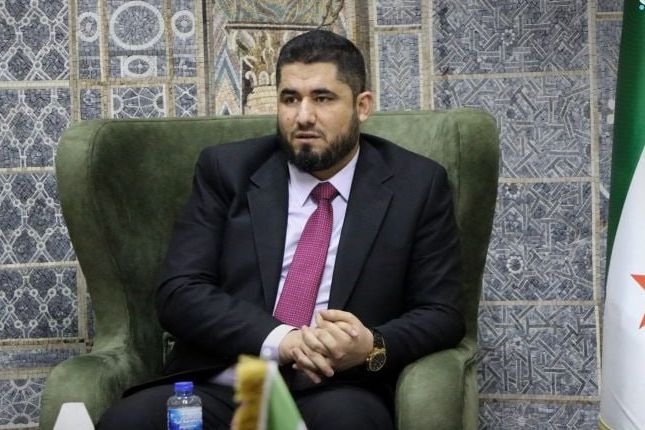
Governor of Idlib, Muhammad Abdul Rahman, stated that the provincial leadership recognized early on that national recovery requires a functioning local administration. As the institutional tier closest to the civilian population, these local units serve as the primary vehicle for addressing community needs, managing essential services, and driving development in local municipalities. The effort is viewed by provincial authorities as a critical step in the ongoing reconstruction process.
To ensure the long-term viability of these units, the province has undertaken a systemic approach to their rehabilitation. This includes the physical restoration of buildings, the procurement of necessary logistical equipment, and the reinforcement of administrative capacity. A significant component of the plan involved the reinstatement of approximately 1,200 employees who had been previously separated from their roles. To prevent institutional stagnation or financial deficits, the province has also secured operational budgets for these units, ensuring they can function effectively without relying on centralized intervention for routine tasks.
Key to this reform is the restoration of legal, administrative, and financial authorities to local councils. Municipalities have been empowered to exercise their mandates as defined by law, including the management of local revenues. This involves the establishment of dedicated bank accounts for municipal funds, providing local leaders with the autonomy to oversee project financing and service maintenance, such as the repair of road networks and sewage infrastructure.
Investment in infrastructure is well underway, with 90 administrative buildings already renovated and put into service. Authorities are currently finalizing the restoration of an additional 35 buildings, while plans have been finalized and funded for the construction of 10 new facilities to replace those destroyed during the conflict. These projects are fully financed by the provincial government, which remains committed to providing the technical and human resources necessary for these units to achieve full financial and administrative independence.
Human capital development remains a core pillar of this initiative. The province is conducting comprehensive training and qualification programs for administrative staff, with a particular emphasis on strengthening technical bureaus. These departments are being equipped to handle regional planning, project management, and regulatory oversight according to established legal standards. By creating robust, self-sufficient local institutions, the governorate aims to establish a transparent and efficient framework for governance that prioritizes the delivery of services to the local population. This reactivation effort is intended to serve as the foundation for a broader, sustainable development and reconstruction program across the province.
