A Family’s Toll: Three Brothers and the Ongoing Palestinian Struggle
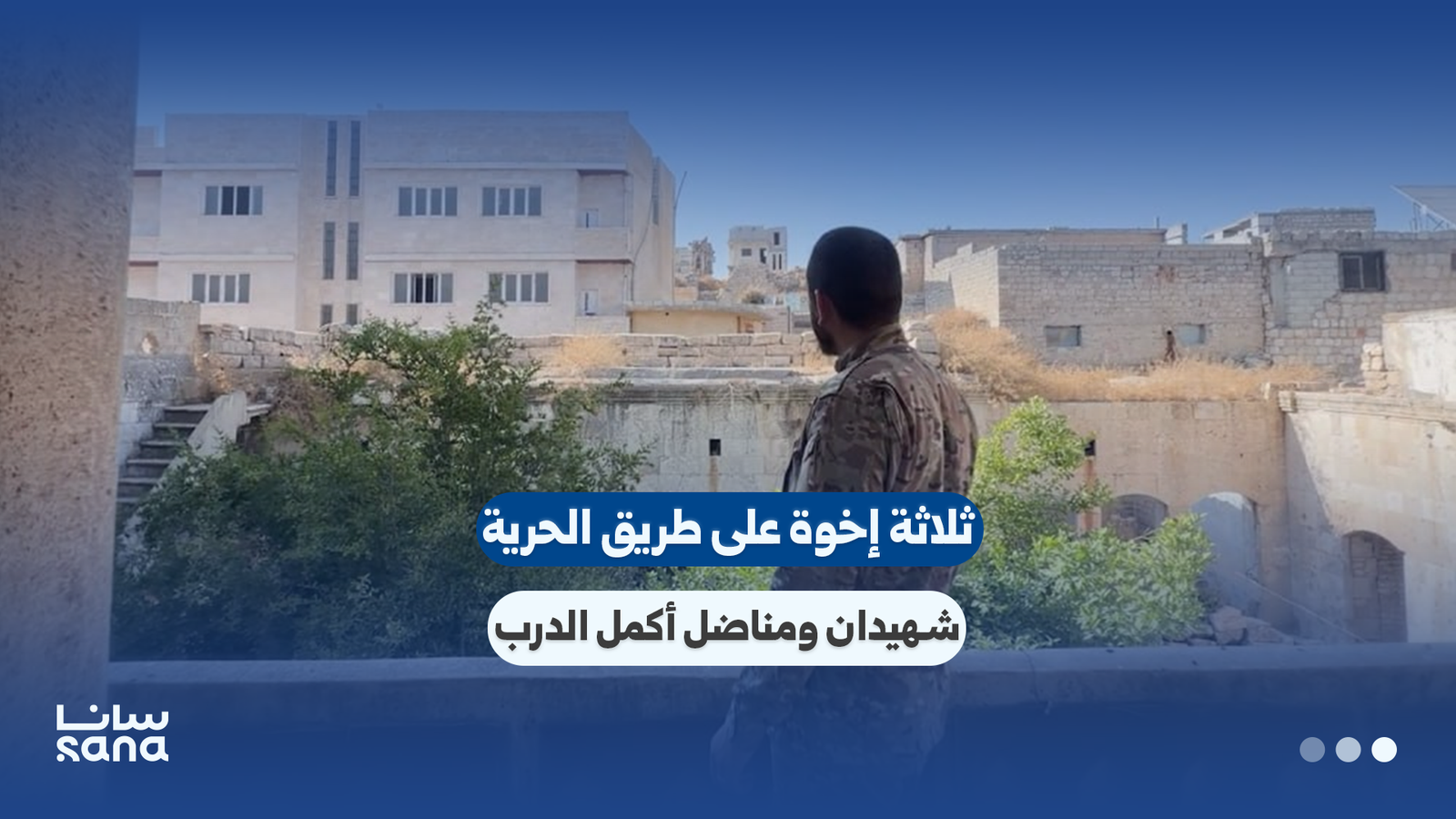
The narrative of the Palestinian struggle is frequently told through the lens of collective history, yet it is profoundly defined by the individual sacrifices of families who have dedicated generations to the cause. A recent account highlights the tragic and resolute journey of three brothers, whose lives underscore the cyclical nature of conflict and the persistent commitment of those who choose to remain on what they term the path to freedom.
For many families within the Palestinian territories, the pursuit of national aspirations has resulted in irreversible personal loss. In this case, two of the three brothers have been killed, classified by their community as martyrs—a term that carries significant weight in the local socio-political context, representing those who have perished in the line of national resistance or through direct confrontation with occupying forces. Their deaths represent not just a familial tragedy, but a broader demographic and psychological impact felt across Palestinian society, where grief is often inextricably linked to political identity.
Despite the loss of his siblings, the third brother remains active, continuing to navigate the complex and often dangerous terrain of political and social activism. His decision to persist, despite the trauma of losing his brothers, serves as a poignant illustration of the resilience and endurance that characterizes much of the movement’s grassroots history. This individual commitment to the cause, even in the face of immense personal devastation, is a recurring theme in the history of the region, where the memory of those who have fallen acts as both a burden and a primary driver for those who survive.
This story is emblematic of the structural realities of the Middle East, specifically within the Palestinian landscape. The personal histories of such families provide a microcosm of the larger geopolitical stalemate. When families endure repeated losses, it inevitably shapes the community’s perspective on the possibility of reconciliation, the nature of political resistance, and the enduring quest for statehood.
The significance of such accounts lies in their ability to bridge the gap between abstract geopolitical analysis and the lived reality of the conflict. While international observers often focus on diplomatic summits and security statistics, the core of the Palestinian narrative is found in homes that have been fundamentally altered by the pursuit of political autonomy. The continued involvement of the surviving brother highlights a central reality: that for many, the cause is not merely a political project but a multi-generational mission.
As the situation in the region remains fluid, the legacy of these three brothers serves as a testament to the high human cost involved in the ongoing quest for self-determination. Their story remains a vivid reflection of the broader, deeply entrenched struggle that continues to define the political and social trajectory of the Palestinian people today.
