
Damascus Citadel Hosts Summer Arts and Culture Festival
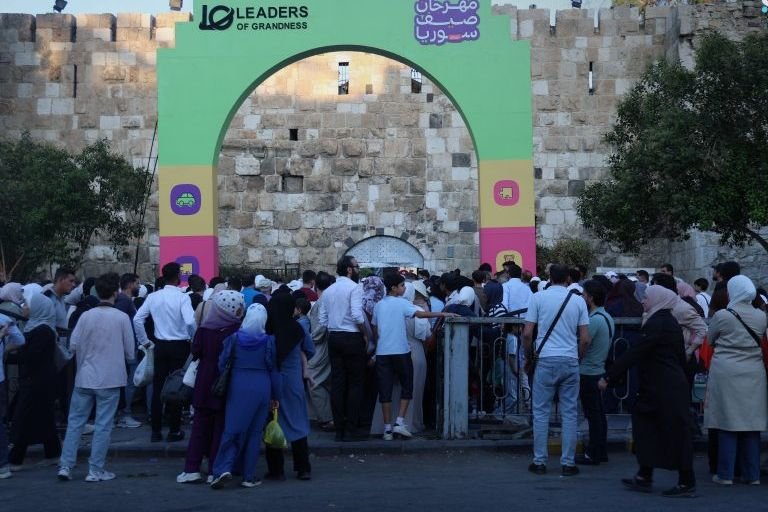
The historic Citadel of Damascus has undergone a seasonal transformation, becoming the centerpiece for the ‘Syria Summer’ festival. The ancient site, which has served as a guardian of the city’s history for centuries, is now acting as a dynamic open-air venue for a series of cultural, artistic, and social events aimed at residents and families. During the festival, the centuries-old stone walls of the fortress provide a striking contrast to modern theatrical lighting and musical performances, creating a unique atmosphere that bridges the gap between Syria’s deep-rooted heritage and contemporary social life. Organizers have focused on making the site a welcoming space for all, with specific programs designed to engage children through exploration and discovery, while also providing a hub for the city’s youth and families to gather in a shared, vibrant environment. The initiative reflects a broader movement to utilize Syria’s significant archaeological and historical landmarks as active venues for public life rather than static monuments of the past. Officials and cultural figures involved in the event highlighted that the festival is designed to showcase the city’s ability to evolve and adapt, turning traditional sites into focal points for local community life. Issa Al-Husseini, a stage supervisor and presenter, noted that the Citadel is an integral part of the city’s human and visual narrative. He emphasized that the evening activities allow the ancient corridors to once again become a living part of the public consciousness, serving as a backdrop for artistic expression and communal interaction. Similarly, artist and chanter Haitham Al-Halabi remarked that the venue itself is a primary component of the festival’s identity. He observed that the setting allows visitors to experience the historical site from a refreshed perspective, moving away from the traditional, passive nature of archaeological tourism toward a more interactive and engaging experience. The festival has also seen strong attendance from the younger generation. Visitors like Zafer Hattab praised the diverse programming, noting that the ability of the event to attract wide demographics demonstrates the success of the current cultural planning. For many, the event serves as a platform for Syrian talent to reach a broad public audience within a site of national importance. As the festival continues, the convergence of light, music, and stone at the heart of the capital emphasizes a renewed effort to integrate historic sites into the fabric of modern urban life, fostering a sense of continuity and shared experience across different generations.
