Syria and Russia Agree to Reshape Military Presence in Hmeimim and Tartus
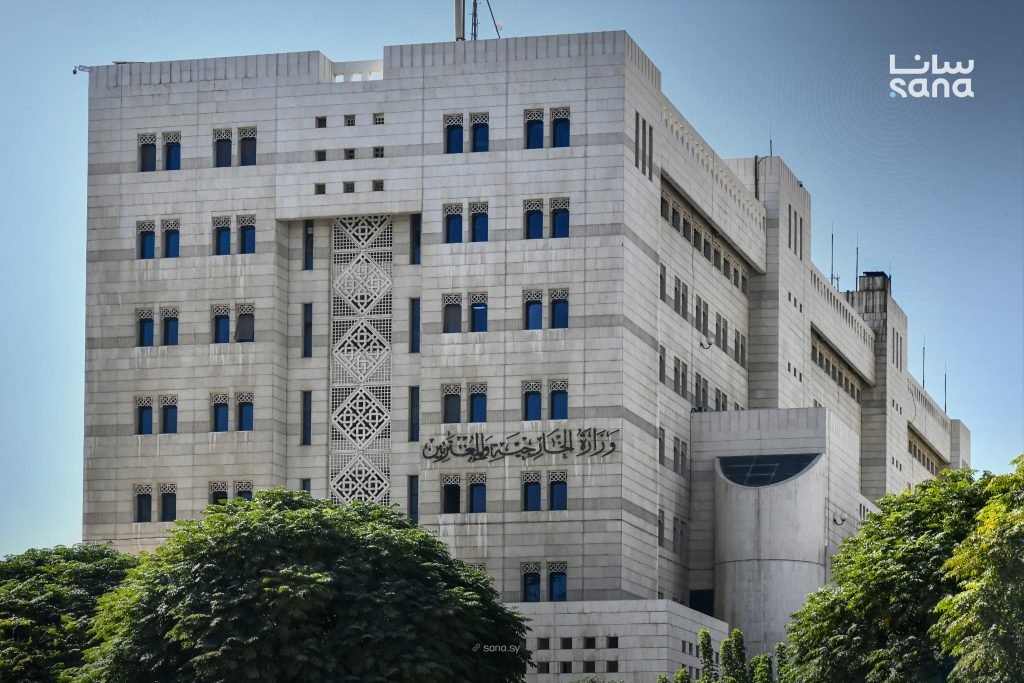
Syria and Russia have reached a comprehensive memorandum of understanding regarding the future of Russia’s strategic military outposts in the country. The agreement follows eighteen months of intensive negotiations between the Syrian Ministry of Foreign Affairs and Russian counterparts, marking a significant evolution in the bilateral military and administrative relationship.
The memorandum establishes a new framework for managing Russia’s long-standing presence at the Hmeimim airbase and the naval facility at the port of Tartus. Under the terms of the deal, the Syrian government will assume administrative control over key civil-oriented infrastructure within these zones. Specifically, the Hmeimim airport and the fourth commercial pier at the port of Tartus are slated to be integrated into Syria’s national civil administration system. This transition represents a shift in how these facilities are operated, aiming to balance Russian strategic needs with Syrian sovereignty over critical logistical hubs.
Regarding the sites currently designated as strictly military, the two nations have agreed to reconfigure their operational utility. These bases will transition from their current status as primary military installations into joint training and qualification centers. While the specifics of the new security arrangements remain within the scope of the bilateral agreement, both parties have emphasized that these changes are designed to protect mutual interests while adapting to the evolving geopolitical environment in the Levant.
The implementation of these changes is set to occur within a three-month window. Following the conclusion of this period, the new administrative and operational protocols will officially take effect, effectively signaling the end of a long-standing negotiation process that has sought to redefine the contours of the Russian presence in Syria.
Since Russia intervened in the Syrian conflict in 2015, the Hmeimim airbase and the Tartus naval installation have served as the cornerstones of Moscow’s regional power projection. The move to reorganize these facilities suggests a recalibration of how Russia maintains its footprint in the Eastern Mediterranean. By shifting toward a model that incorporates more civil administration and joint training, both Damascus and Moscow appear to be responding to the requirements of the current phase of the post-conflict landscape.
This development is viewed as a pivotal moment in the diplomatic ties between the two allies. By formalizing this restructuring, Syria and Russia aim to ensure a sustainable, long-term framework for their partnership. While the military core of the relationship remains intact, the administrative shifts reflect a desire to normalize the operations of vital economic and transport infrastructure, potentially easing the path toward greater domestic control over port and aviation assets.
