Israeli Incursions in Syria Become Focal Point of Election Debate
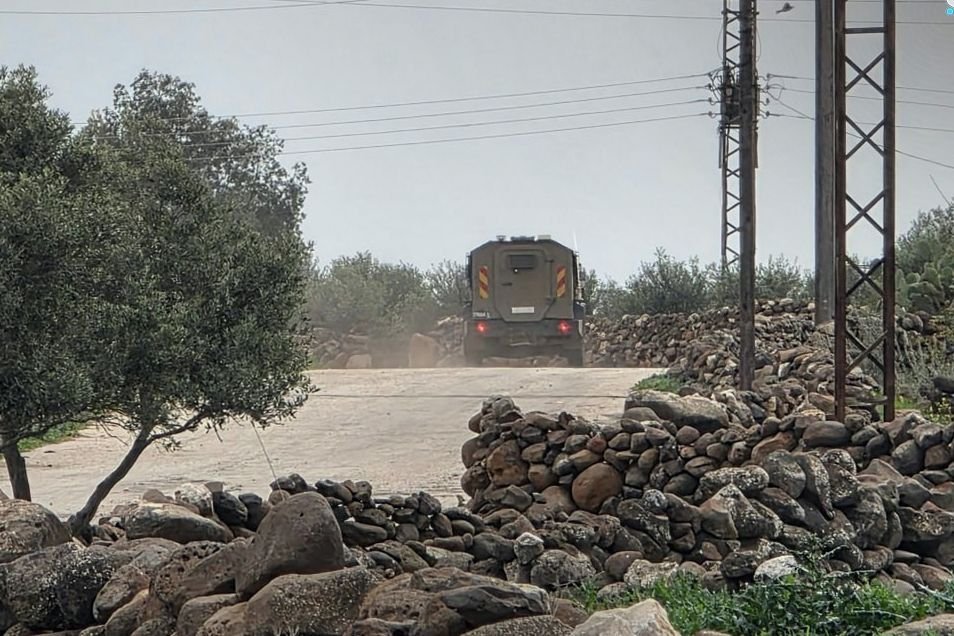
Since December 8, 2024, Israeli military incursions into Syrian territory have seen a significant escalation. These operations, which transcend mere field consequences and violations of international law, have become a central pillar of the internal political discourse in Israel as the country approaches its upcoming elections. Prime Minister Benjamin Netanyahu currently faces sharp criticism from the opposition, which accuses him of leveraging security files and military decisions to advance his own political ambitions.
The Netanyahu government has justified these military maneuvers as necessary measures to protect Israeli security and establish buffer zones to neutralize threats along the border. Previously, Netanyahu unveiled a strategy aimed at achieving what he termed “absolute control” over areas stretching from Mount Hermon to the Yarmouk River and the Mediterranean coast. Israeli Defense Minister Israel Katz has further emphasized that forces will not withdraw from the “security zone” currently under their control within Syrian territory, signaling an intention to establish a permanent military presence rather than implementing temporary measures.
In contrast, the divide within Israel continues to widen. Opposition leaders, led by Yair Golan and Yair Lapid, have accused Netanyahu of exploiting the military for personal gain, warning that this conduct subjects Israel’s national security to genuine risks. Figures such as Gadi Eisenkot and Lapid have characterized the new security doctrine proposed by Netanyahu—which includes provisions for preemptive strikes—as empty rhetoric lacking a clear strategy, aimed primarily at distracting from the government’s security failures.
On the ground, the Syrian Network for Human Rights has documented more than 453 Israeli ground incursions between December 2024 and October 2026. These operations, concentrated primarily in the provinces of Quneitra and Daraa, have resulted in casualties, arbitrary arrests, and attacks on vital infrastructure. Additionally, the United Nations recorded record-high numbers of violations during the month of September, which included restrictions on civilian movement and raids on residential homes.
These practices have drawn widespread international condemnation. Turkish President Recep Tayyip Erdogan has warned against Israel’s efforts to incite chaos, while several Arab and Islamic nations have condemned the assaults, characterizing them as a blatant violation of Syria’s sovereignty and a threat to regional stability. For its part, Damascus has affirmed its full readiness to address outstanding issues and security files through dialogue and diplomatic channels, aiming to ensure regional stability and preserve the sovereignty and territorial integrity of the Syrian state, while rejecting attempts to impose military facts on the ground.
These incursions continue to challenge the 1974 Disengagement of Forces Agreement. Damascus maintains that adherence to international understandings and the cessation of violations remain the only path to ending the escalation, even as Israeli political factions trade accusations regarding the timing and objectives of operations that have become an inseparable part of a heated election race.
Source: Syria Focus Arabic
