
Aleppo Hosts Second National Forensic and Judicial Medicine Conference
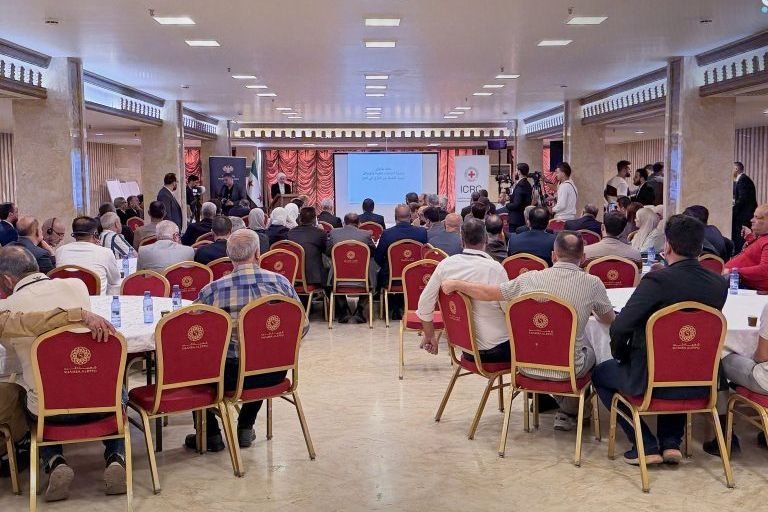
The city of Aleppo has concluded the second Forensic and Judicial Medicine Conference, a three-day event dedicated to addressing critical issues in medical professional responsibility and the integration of medical expertise within the judicial system. The conference took place against the backdrop of Syria’s ongoing recovery and institutional rebuilding phase.
The event drew a wide range of participants, including judges, forensic pathologists, and representatives from the ministries of Health, Justice, and Higher Education and Scientific Research. The gathering also saw contributions from the National Authority for Missing Persons and the International Committee of the Red Cross (ICRC).
Discussions during the final day focused on significant legal and technical matters, including the criminal liability of forensic doctors, the role of judicial inspection in ensuring accountability, and the application of forensic science in identifying disaster victims. Furthermore, participants explored modern trends such as digital transformation, electronic archiving, and the resolution of medical disputes through amicable methods.
Ahmed Al-Muhammad, the Public Attorney in Aleppo, highlighted the perspective of the Public Prosecution, which views forensic medicine as a strategic partner in the justice system. He emphasized the necessity of making a clear distinction between unintentional human medical error and gross negligence that warrants legal accountability. Al-Muhammad urged for stronger cooperation with the Medical Association to shift from a “culture of accusation” to a “culture of prevention,” aimed at protecting citizens’ rights and enhancing the efficiency of medical practice.
Stefan Sakalian, Head of the ICRC delegation in Syria, underscored the essential role of forensic science in the context of conflicts and natural disasters. He noted that strengthening these systems directly contributes to the identification of the deceased, which he described as a fundamental human and ethical right that allows families to bid farewell to their loved ones and bury them with dignity.
Yasser Al-Qasim, Director of the Forensic Medicine Administration at the Ministry of Health, stated that the conference successfully established a shared platform for judges and forensic doctors to interact. This cooperation is expected to clarify the responsibilities of each entity and improve the overall performance of the system. Al-Qasim noted that the recommendations resulting from the conference will serve as a roadmap for developing forensic practice, modernizing evidence documentation and storage methods, and increasing the reliability of forensic reports in judicial proceedings.
This conference is part of a national effort to develop and unify the forensic medicine system in Syria. By improving coordination between medical expertise and the judiciary, these initiatives aim to facilitate investigation procedures, assist in determining the fate of missing persons, and strengthen the capacity of Syrian institutions to manage current challenges while upholding the rights of victims and their families.
Source: Syria Focus Arabic
