
Syria Expands Protected Agriculture: 175,000 Greenhouses in Operation
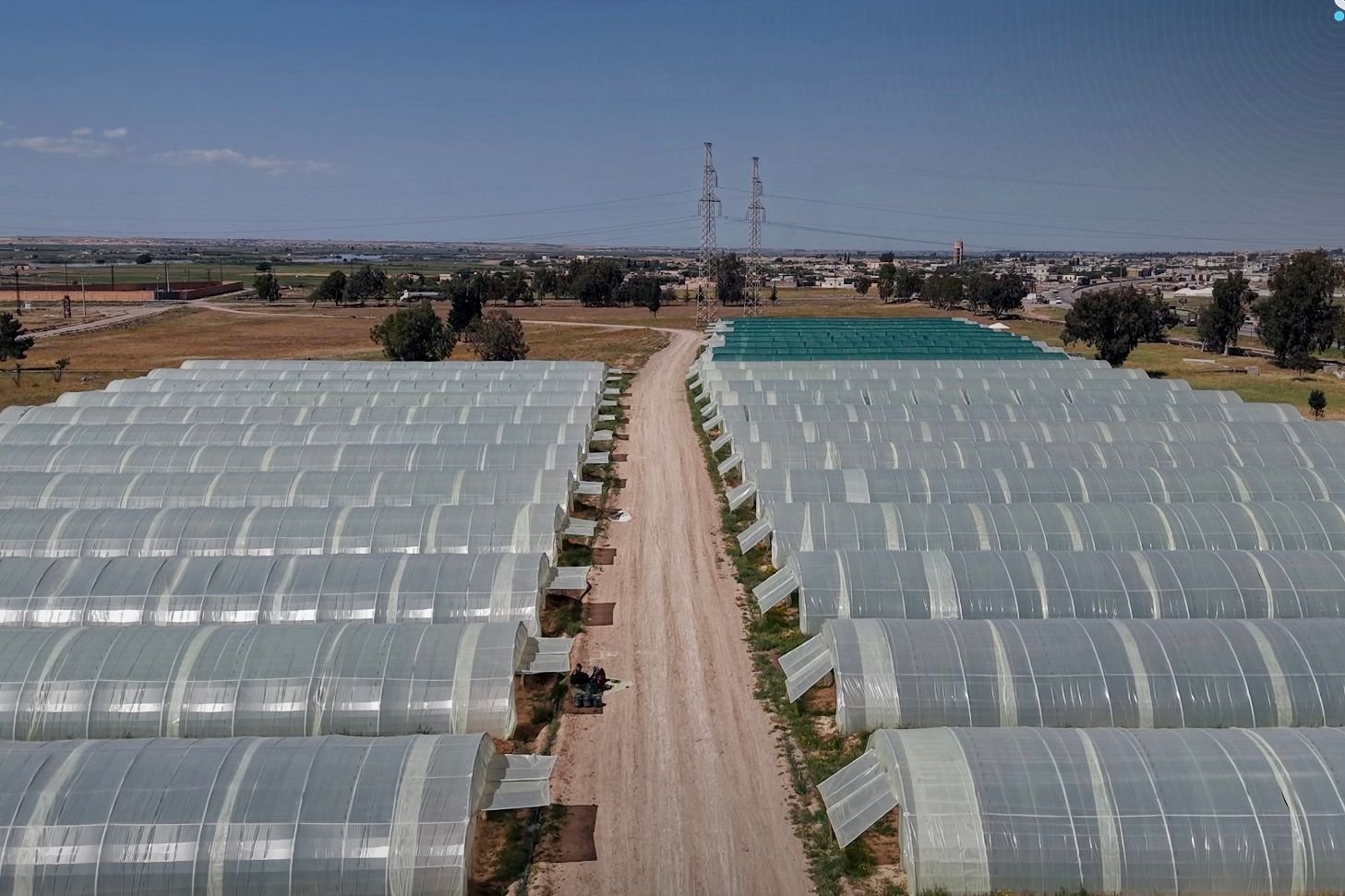
Syria’s protected agriculture sector has reached a significant milestone, with 175,522 greenhouse units currently in operation. This development is part of a broader initiative to enhance domestic agricultural production, secure consistent availability of crops outside of traditional growing seasons, and provide a stable supply of produce to the local market. Additionally, the sector aims to support export opportunities and generate foreign currency for the national economy.
According to the director of plant production at the Ministry of Agriculture, Tartus Governorate currently leads the country in this sector. Tartus accounts for 143,763 greenhouses, representing 82 percent of the national total. Latakia Governorate ranks second with 15,719 units (9 percent), followed by Homs with 13,706 units (8 percent). The remaining 1 percent of greenhouses are distributed across other Syrian governorates.
Tomatoes remain the primary crop in protected cultivation, produced in 87,121 greenhouses, which constitutes approximately 50 percent of the total protected area. Strawberries follow in second place with 18,765 units (11 percent), and cucumbers rank third with 17,701 units (10 percent). Eggplant and bell peppers occupy 16,391 and 15,522 greenhouses respectively, each accounting for 9 percent of the total. Additionally, 7,614 greenhouses, or 4 percent, are dedicated to tropical crops.
The Ministry of Agriculture stated that it provides technical and advisory support to farmers through its agricultural directorates and local units. This support spans the entire production cycle, from land preparation to harvest, and includes assistance in addressing plant diseases and technical challenges. Farmers may also utilize the services of the “Drought and Natural Disaster Relief Fund” if their crops suffer significant damage from weather events, such as storms or water spouts.
Despite the sector’s importance, farmers face substantial obstacles, including the high cost of greenhouse equipment and production inputs, price volatility during peak seasons, limited international marketing, and climatic risks. To address these issues, the ministry is developing future strategies focused on bolstering exports through international contracts, regulating imports, and improving the skills of technical personnel.
As part of ongoing efforts to modernize the industry, the ministry announced a collaboration with Turkish partners. This initiative aims to transfer advanced greenhouse cultivation technologies for application in the Tartus, Latakia, and Idlib governorates, with the objective of increasing production efficiency and improving the economic viability of farming operations.
Source: Syria Focus Arabic
