
Aleppo Faces Logistical Challenges in Breast Cancer Screening
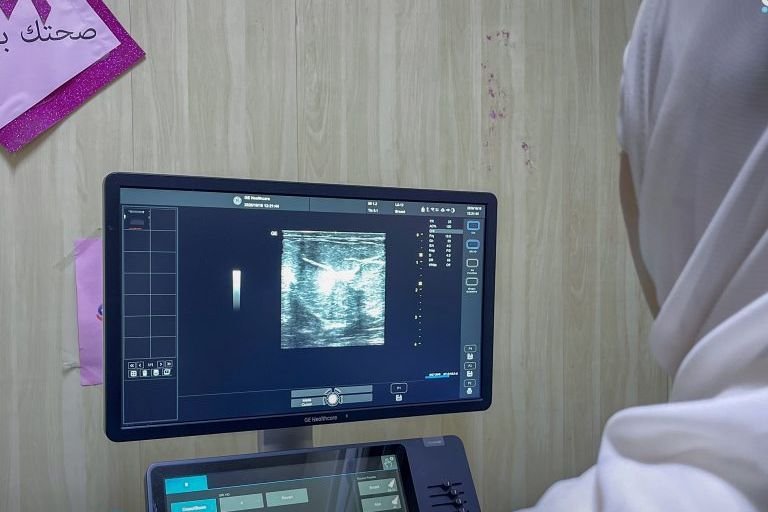
Women in Aleppo province are facing significant challenges in accessing breast cancer screening services, particularly in rural areas. A combination of limited awareness, long travel distances, and transportation costs is preventing a large number of women from utilizing available free medical programs.
Dr. Mohammad Makki al-Abdullah, head of the Reproductive Health Division at the Aleppo Health Directorate, reported that medical centers recorded 4,523 early detection screenings by the end of September. Of these, 324 cases were flagged as suspicious and were immediately referred to specialized hospitals and diagnostic centers for further evaluation. Dr. al-Abdullah noted that breast cancer remains the most prevalent form of cancer among women in the province.
Explaining the current diagnostic workflow, Dr. al-Abdullah stated that services begin at primary healthcare centers with clinical examinations. If a case is deemed suspicious, patients are referred for free mammograms, ultrasound imaging, and histopathological tests. Cases requiring more advanced evaluation or surgical intervention are then handled at Al-Razi and Al-Emirati hospitals. He acknowledged, however, that the availability of follow-up treatments and medications remains subject to existing resources.
To improve geographical coverage, early detection centers have been established at several key locations within Aleppo and its countryside. These include the Breast Health Center in Salah al-Din, the Al-Zabdiyah center, the University Hospital, and the Maternity Hospital, as well as national hospitals in A’zaz, Jarabulus, and Al-Bab.
Dr. Mona al-Shaghel, head of the Specialized Center for Breast Health Care, emphasized the vital role of early detection in improving survival rates and determining the most effective treatment pathways. She urged women not to wait for clear symptoms before seeking medical attention, stressing that any changes in the breast or skin require an immediate clinical evaluation, even if they are not definitive signs of cancer. She also reiterated the importance of adhering to recommended periodic screenings.
For some patients, the road to diagnosis has been difficult. Souad al-Nashif, a breast cancer patient, shared her experience, noting that delays in early testing complicated her condition. She added that the financial burden of transportation costs and treatment doses placed an additional strain on her. She encouraged all women to take the initiative to undergo regular screenings rather than delaying them.
This report coincides with the Ministry of Health’s launch of a national breast cancer awareness campaign under the slogan “Earlier Detection… Greater Hope.” The campaign, held throughout October, seeks to promote a culture of regular screening and expand access to medical services across various Syrian regions.
Source: Syria Focus Arabic
