
Mental Health in Syria: Growing Challenges and Available Services
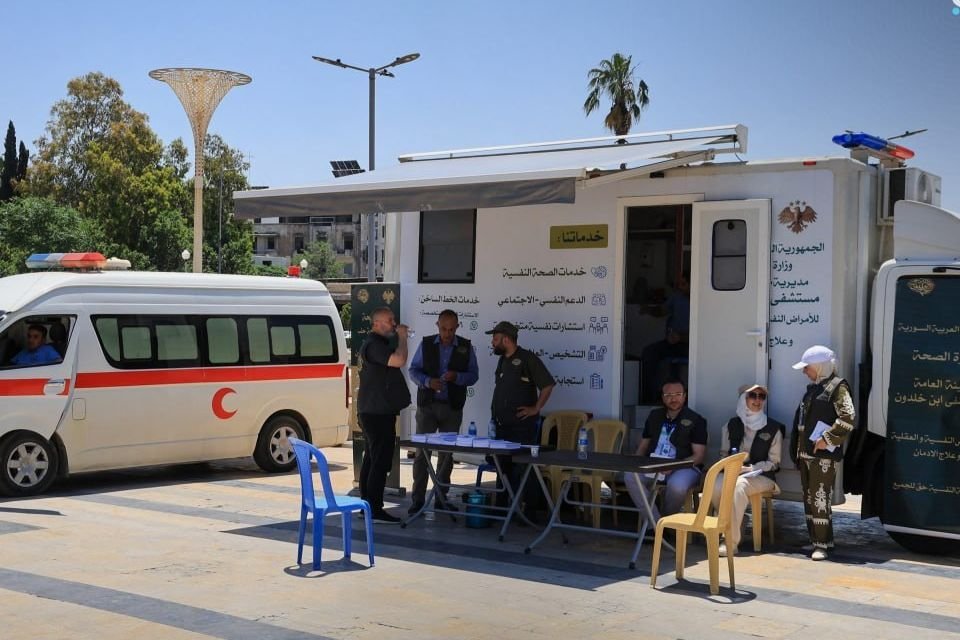
Mental health in Syria faces significant challenges due to the compounding effects of war and daily living pressures. In response, health authorities are prioritizing the expansion of psychosocial support services to address prevalent conditions, including anxiety, depression, and sleep disorders.
The Mental Health Department at the Ministry of Health reports that anxiety and depression remain the leading reasons patients seek care at health facilities. The Ministry currently operates a network of approximately 764 primary healthcare centers that provide mental health support. In addition to these centers, the state manages three specialized hospitals: Ibn Khaldun in Aleppo, and Ibn Sina and Ibn Rushd in Damascus. Plans are currently underway to further expand this network by equipping four additional hospitals.
Psychologist Zeina Fanari noted that clinicians are also seeing cases of borderline personality disorder, obsessive-compulsive disorder, panic attacks, and post-traumatic stress disorder. Fanari explained that the psychological toll of war often manifests years after the events, as individuals begin to process traumas accumulated from displacement and the loss of personal security. She emphasized the importance of distinguishing between a normal response to stress and a pathological condition, urging individuals to seek professional help if symptoms interfere with their ability to sleep, work, or engage in daily life.
Efforts to support affected populations are expanding through partnerships. The Mental Health Department, in collaboration with the organization MedGlobal, operates a specialized center in Homs. This facility provides psychological and social services for survivors of detention, offering both individual and group therapy sessions aimed at social reintegration. There are ongoing plans to scale this model to other regions.
Medical professionals have issued warnings against the indiscriminate use of sedatives without medical supervision, noting that such practices can lead to drug dependency or the worsening of underlying conditions. Specialist Wafa Ghaiba stressed the importance of monitoring behavioral changes in children and adolescents, which often reflect underlying psychological stress. She encouraged families to foster open dialogue and avoid the stigma often associated with mental health, highlighting that while the family serves as a critical support system, it is not a substitute for specialized intervention.
A report issued by the World Health Organization in July 2025 highlights the increasing need for mental health services across Syria. Estimates suggest that one in ten people suffers from a mild to moderate mental health condition, while one in 30 experiences more severe cases. Health centers have recorded a notable rise in consultations for depression and post-traumatic stress disorder between 2022 and 2023. Furthermore, the demand for psychiatric treatment has remained higher than pre-February 2023 earthquake levels, placing mental health at the forefront of the Syrian healthcare system’s current priorities.
Source: Syria Focus Arabic
