
Syria Launches $175 Million STAR Project to Boost Agriculture
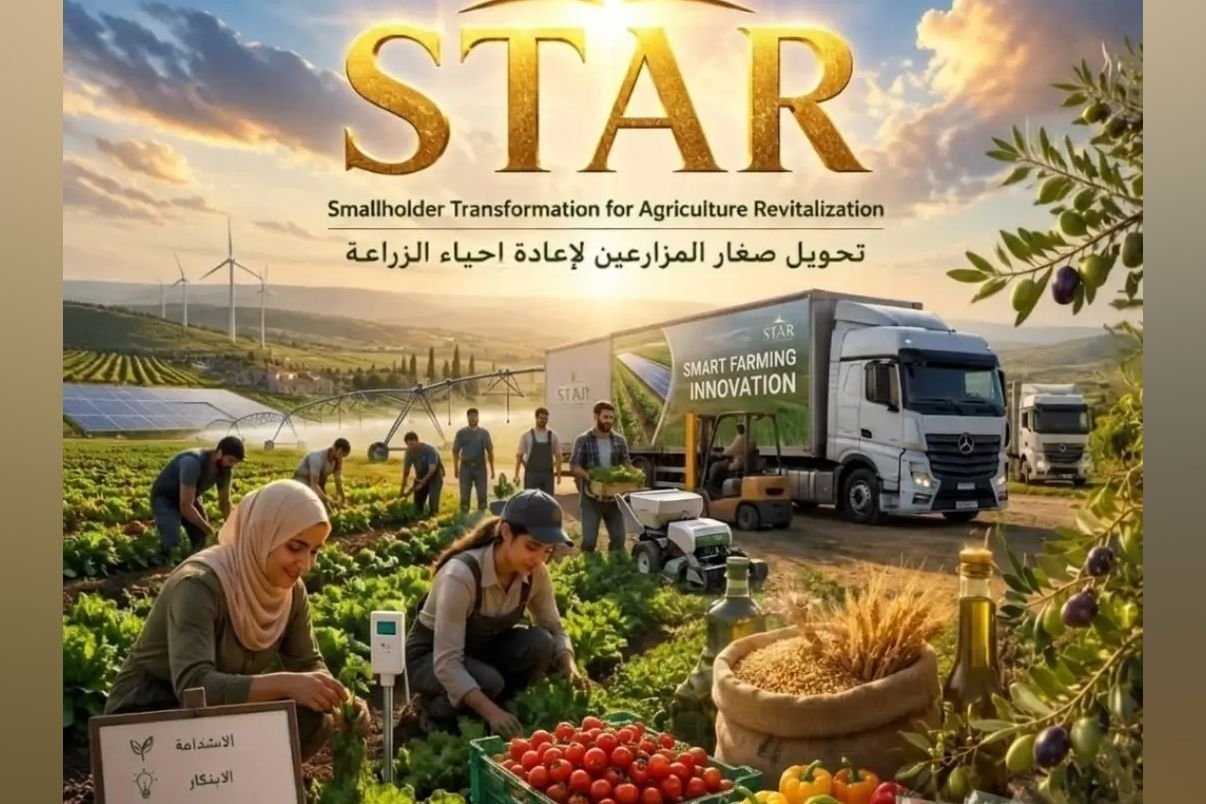
The Syrian Ministry of Agriculture has officially launched the ‘STAR’ project, a comprehensive development program funded by a $175 million grant from the World Bank. The initiative, which is set to run over a six-year period, aims to transform the country’s agricultural sector by focusing on increased productivity, improved value chains, and strengthened national food security.
Ahmed Al-Ahmad, the director of the STAR project, stated that the program employs an integrated approach to the agricultural supply chain, managing the process from the initial provision of inputs to the arrival of final products at the marketplace. The project’s strategy is built upon three primary pillars: improving the quality of inputs, developing a robust system of agricultural laboratories and quality certification, and establishing more efficient links between local production and markets.
To enhance the competitiveness of Syrian products in external markets, the project includes plans to rehabilitate seed cleaning and sterilization centers while introducing improved, drought-resistant crop varieties. Additionally, the initiative will modernize laboratories for food safety, as well as plant and animal health, ensuring they meet international standards. Farmers and cooperatives will also receive support to obtain Good Agricultural Practices (GAP) and organic farming certifications, with a specific focus on high-value export crops such as olives and pistachios.
Cooperation with the private sector and local cooperatives serves as a fundamental pillar of the project. The program will activate a ‘matching grant’ mechanism to stimulate investment and form production alliances that link farmers with factories and exporters through transparent contracts that guarantee the marketing of production. Furthermore, the project aims to modernize legislation governing seeds, fertilizers, and pesticides to simplify procedures for private sector actors.
Geographically, the Ministry confirmed that project interventions will be based on precise technical criteria that correlate the level of local need, food insecurity, and the productive importance of strategic crops such as wheat. In this context, the eastern region—specifically the governorates of Al-Hasakah, Raqqa, and Deir ez-Zor—will receive priority for urgent interventions due to their significant impact from drought and their vital role in securing the national food supply.
Digital transformation is another core component of the project. The initiative will launch digital platforms, including a national registry for farmers and a digital livestock register, to organize the distribution of inputs and reduce waste by linking support to accurate and verified data. The project will also utilize remote sensing technology and Geographic Information Systems (GIS) to monitor crop conditions. Additionally, an early warning system will be established to detect drought and pest outbreaks, enabling data-driven agricultural and economic decision-making.
Source: Syria Focus Arabic
