
Deir ez-Zor Transport Directorate Implements New Scheduling System
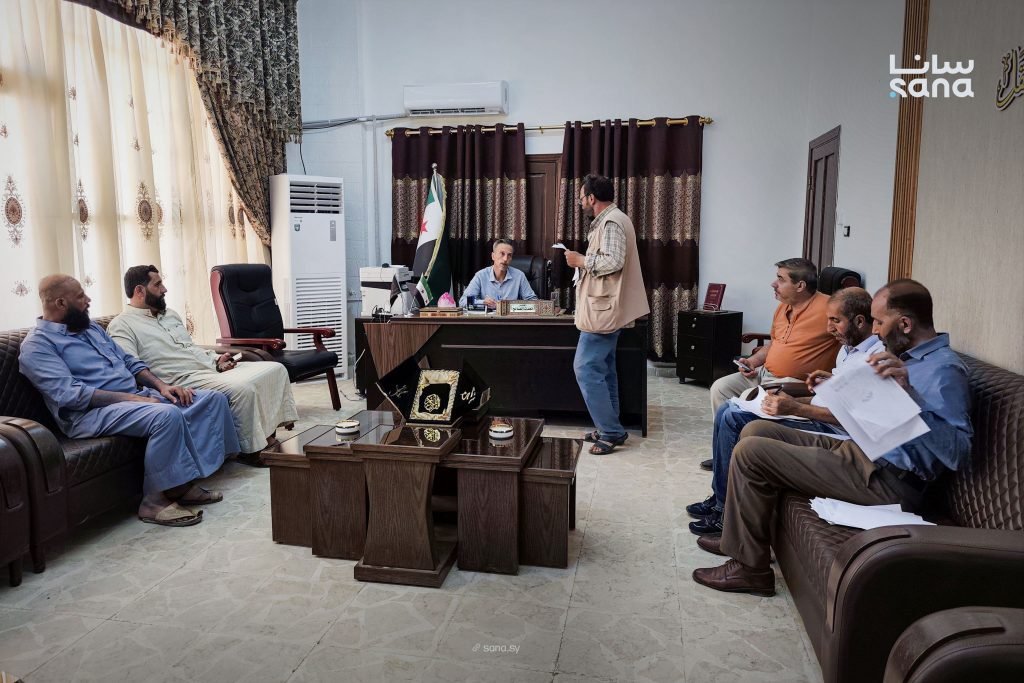
The Transport Directorate in Deir ez-Zor has officially launched a new administrative mechanism aimed at regulating citizen traffic and mitigating severe congestion at its service centers. The move comes as the facility manages a significant influx of vehicle-related transactions, driven largely by the suspension of operations at transport directorates in the neighboring governorates of Raqqa and Hasakah.
Under the new system, vehicle owners are now required to visit the directorate on specific days of the week, determined by the final digit on their vehicle license plate. For instance, vehicles with plates ending in zero or one are processed on Sundays, while those ending in two or three are assigned to Mondays. This rolling schedule continues throughout the work week, creating a structured flow of applicants designed to prevent the long wait times that previously plagued the facility.
Najdat Al-Saleh, the Director of Transport in Deir ez-Zor, explained that the policy is a strategic response to the operational pressures currently facing the department. With the closure of regional offices in the eastern provinces, the Deir ez-Zor branch has become a primary hub for a much larger volume of administrative tasks. By normalizing the daily volume of visitors, the directorate aims to enhance the overall quality of public service delivery and improve administrative efficiency.
Recognizing that the new system could create hardships for citizens traveling from distant areas, officials have integrated a degree of flexibility into the policy. Citizens arriving from remote regions, as well as those with documented travel obligations, are permitted to complete their transactions outside of their designated windows. This humanitarian exception ensures that the move toward efficiency does not come at the expense of accessibility for those who face significant logistical burdens in reaching the provincial capital.
In addition to the new scheduling mechanism, the directorate is investing in broader improvements to its operational capacity. Al-Saleh noted that the department is actively increasing its administrative workforce and upgrading its technical infrastructure to handle the sustained high demand. These improvements follow the recent rehabilitation of the directorate’s main building, which officially reopened on July 12, following a period of maintenance and upgrades aimed at restoring full functionality to the government office.
The initiative, which began as a formal circular issued on July 20, has already received positive feedback from residents. Early reports from those utilizing the new system suggest that the transaction process has become more streamlined and orderly. As the directorate continues to monitor the impact of these changes, the focus remains on balancing the need for rigorous administrative organization with the practical realities of the public in a region that has been profoundly affected by the ongoing instability of the surrounding governorates.
