
Syrian ‘Mouna’: A Traditional Approach to Household Sustainability
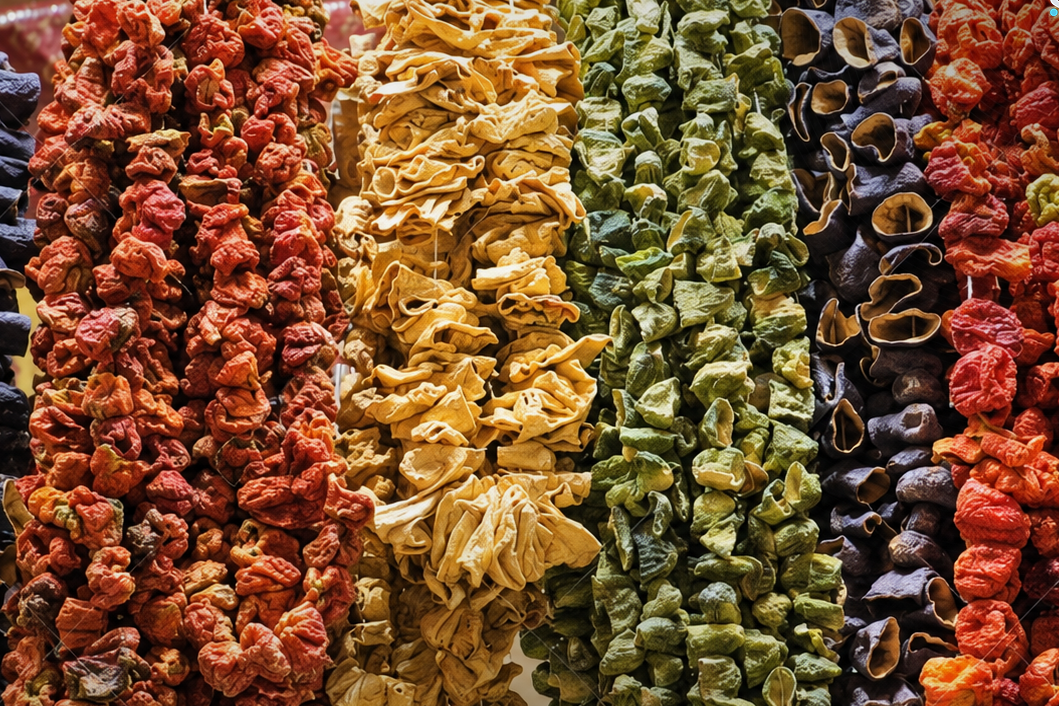
As the summer heat wanes and the first breezes of autumn arrive, Syrian households in cities and villages alike enter a period of seasonal activity known as “Mouna.” This deeply rooted tradition, passed down through generations, is a systematic approach to preserving the earth’s bounty and securing a family’s nutritional needs for the entire year.
During this time, homes transform into hive-like centers of activity. Rooftops are covered with cloths for drying vegetables, threads of okra are hung to dehydrate, and jars filled with various preserved goods are neatly lined up on the shelves of the traditional “Namliyeh,” or pantry.
“Mouna” represents far more than a simple food preservation method; it is a holistic system that reflects the domestic wisdom of Syrians. At the top of this seasonal list is “Makdous,” widely considered the king of Mouna. Its preparation requires precision: eggplants must be boiled, drained, and stuffed with a mixture of walnuts, red pepper, and garlic before being submerged in olive oil. Beyond this staple, the Syrian winter table is enriched by preserved dairy products, including labneh (strained yogurt), local cheeses, and shanklish.
This heritage extends beyond vegetables to include grains. The seasons for bulgur and freekeh involve specific rituals. Wheat is boiled and dried before being crushed for bulgur, while green wheat ears are roasted to create freekeh. Historically, these items were stored in large clay vessels to protect them from moisture and pests. The sun plays a vital role in this process, helping to dehydrate mallow, eggplants, and zucchini skins, or enabling the transformation of tomatoes and pomegranates into concentrated pastes, effectively capturing the flavor of the season for months to come.
From a social perspective, Mouna serves as a pillar of communal support. The custom of “Awnah” brings neighbors and relatives together to assist with labor-intensive tasks, such as mincing peppers or preparing mallow leaves. This collective activity provides a space to share stories, exchange expertise, and strengthen bonds within the family and the wider neighborhood. Recent studies, including those published by the American Anthropological Association, have highlighted that Mouna remains a strategic choice for Syrian families. In the face of difficult living conditions, it serves to reduce household expenditure while reinforcing domestic identity.
Historically, Mouna was linked to an integrated economic system between rural and urban areas. Damascus historian Munir Kayyal documented how local grain merchants and grocers relied on the surplus production of rural areas, fostering a reciprocal relationship between farmers and craftsmen. Archaeological research further confirms the longevity of these practices in Syria, with remnants of stored crops found at sites dating back to the third millennium BCE, underscoring that food management is a deeply embedded aspect of Syrian culture and agriculture.
Today, despite the prevalence of modern conveniences, many families remain committed to this tradition. Housewives, such as Suad Baghdounis from the Damascus countryside, maintain that homemade Mouna remains superior in taste, quality, and affordability. As such, these inherited skills continue to serve as a living domestic memory, preserving the essence of the seasons and demonstrating the Syrian household’s ability to navigate challenges with wisdom and resilience.
