
Zabadani and Serghaya Apple Farmers Face Severe Financial Losses
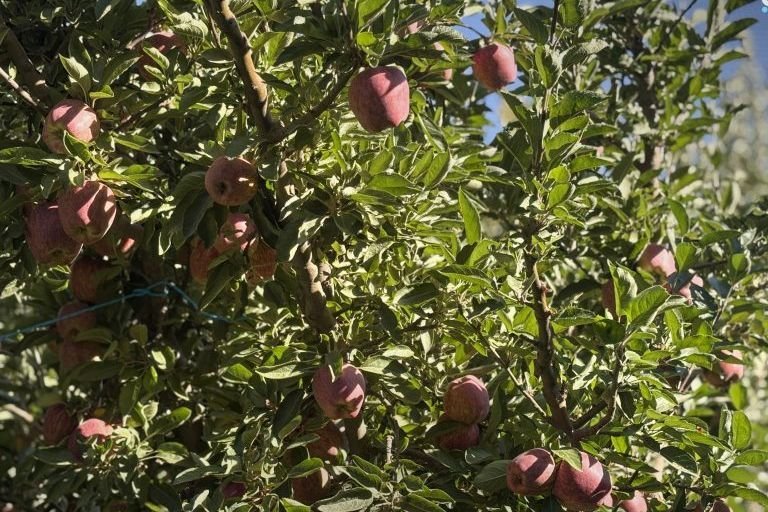
Apple farmers in the Zabadani region and the town of Serghaya in rural Damascus are facing significant economic challenges that threaten the viability of their agricultural seasons. Growers report that profit margins are being eroded by soaring production and marketing costs, coupled with a notable decline in local market prices.
Farmers in the area indicate that agricultural operations have become increasingly risky due to the high cost of fuel required to operate machinery, as well as the rising prices of fertilizers and essential agricultural materials. Furthermore, transportation costs and wholesale market commissions, which can reach approximately 8 percent, are placing additional pressure on producers.
Wasim Muzaffar, a farmer from Serghaya, explains that these combined factors have forced many growers to incur substantial losses. This has led many to store their harvests in cold storage facilities; however, this adds further financial burdens, such as electricity and operating costs, without any guarantee that the final sale price will cover the initial investment.
Another farmer, Hussein Muzaffar, pointed to the widening gap between production costs and market sale prices. According to his assessment, the cost to produce one kilogram of apples is approximately 40 Syrian pounds, while the selling price to merchants or consumers does not exceed 70 Syrian pounds. This margin is insufficient to cover the labor and investment exerted throughout the season, particularly given the weak demand and the current surplus of local produce.
The Zabadani and Serghaya regions are among Syria’s most prominent apple-producing hubs, with cultivated land estimated at approximately 2,818 hectares. According to data from the Zabadani Agricultural Department, the projected production volume for this season is expected to reach 60,000 tons. This high output has created a significant surplus that requires intervention to manage effectively.
Local farmers are calling on relevant authorities to implement practical measures to support the sector. Their primary request is for the regulation of apple imports during the peak production season, which they argue would allow local farmers to compete fairly and sell their crops at reasonable prices. They are also advocating for the development of new export channels. Farmers emphasize that the apples produced in these areas—particularly the “Golden” variety—are of high quality and are known to be in demand in foreign markets.
Agricultural sector stakeholders in the region warn that leaving farmers to navigate these challenges alone threatens the future of this vital sector, which serves as a major reservoir for fruit production in Syria. They advocate for systemic solutions, including subsidizing production inputs and facilitating export processes, to ensure the long-term stability of the local market.
Source: Syria Focus Arabic
