
Syria to Use Interpol to Pursue Fugitive Criminals
Syria’s Ministry of Justice has announced the activation of a specialized body, the Committee for the Extradition of Criminals, tasked with pursuing legal action against fugitives who have fled the country. The initiative aims to utilize international law enforcement channels, specifically through cooperation with the national Interpol office, to circulate the names of individuals wanted for various crimes committed on Syrian soil over several decades.
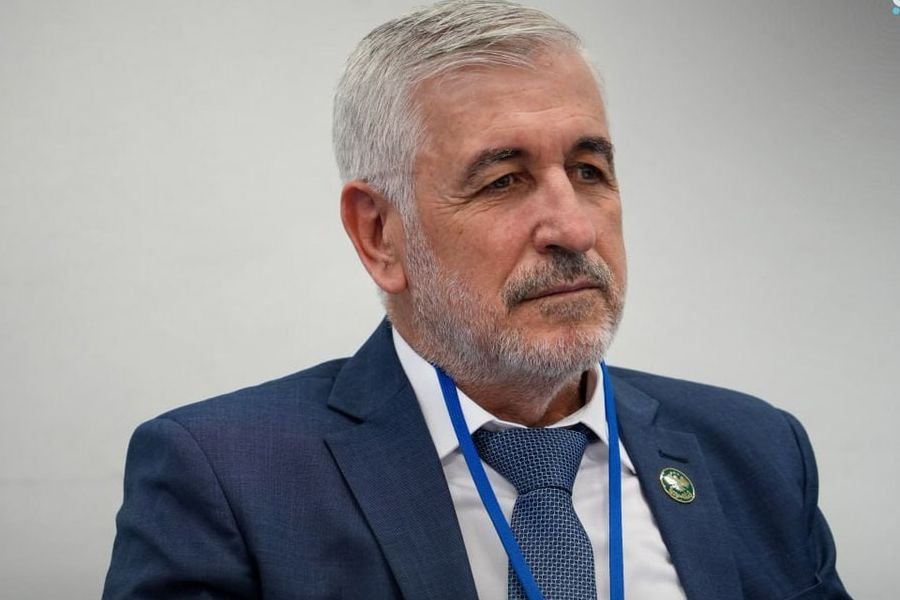
Mustafa al-Qassem, Deputy Minister of Justice, emphasized that the state is committed to upholding the rule of law and ensuring that there is no impunity for those accused of serious offenses. In a recent statement, al-Qassem highlighted that the judiciary is working strictly within established Syrian legal frameworks and constitutional procedures. He noted that the move is part of a broader effort to ensure justice, aligning national judicial processes with international standards for fair trials, while strictly maintaining the principle of national sovereignty.
According to the Ministry, the committee is tasked with processing court rulings and forwarding them to the Syrian national office of Interpol. This office will subsequently work with the international organization to formally issue red notices and extradition requests for individuals who have escaped to foreign jurisdictions. The ministry underscored that even in cases where direct extradition might be complicated by differing national laws—such as those regarding the death penalty—the circulation of these names remains a vital tool. It will significantly restrict the international mobility of the accused and hinder their ability to utilize funds allegedly stolen from Syria to finance their lifestyles or investments abroad.
Al-Qassem explained that many of these fugitives were involved in long-standing criminal files spanning decades of investigations. He noted that the cooperation of the international community is essential to complete these judicial processes. He acknowledged that while some countries, particularly in the European Union, have specific policies regarding the death penalty, the ministry remains optimistic that international bodies will cooperate in the pursuit of justice and the prosecution of those responsible for crimes, including murder, torture, and war crimes.
This announcement follows recent proceedings at the Fourth Criminal Court in Damascus, which issued a series of judgments against various individuals. The rulings included death sentences handed down both in person and in absentia against high-profile figures accused of grave crimes, including crimes against humanity and war crimes. The Ministry of Justice believes that the formal tracking of these individuals through international police channels will accelerate the resolution of these long-standing cases and serve as a necessary step in the country’s legal reform efforts.
