
Syria Strengthens Supply Oversight to Regulate Market Prices
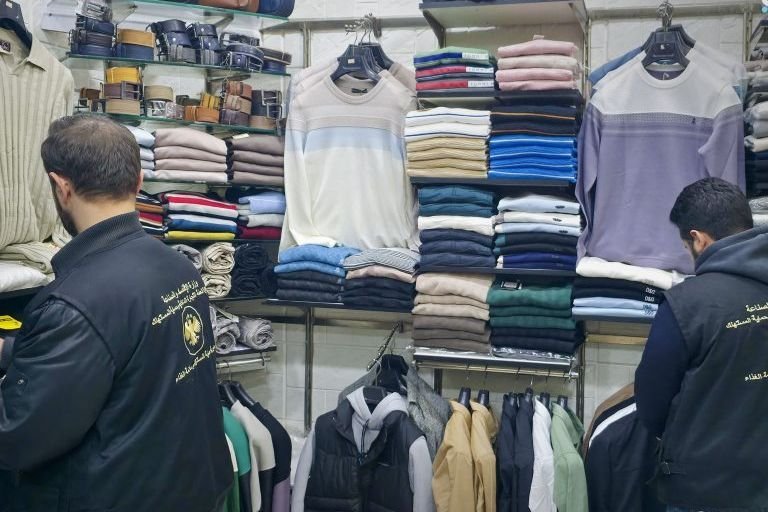
As part of its ongoing efforts to regulate markets and protect consumer rights, the Syrian Ministry of Internal Trade and Consumer Protection has announced a new package of measures designed to enhance supply chain oversight. These steps aim to increase transparency and curb monopolistic practices and price manipulation that currently affect the local market.
Hassan Al-Shawa, Director of Consumer Protection and Food Safety at the Ministry, emphasized that the new procedures rely on intensifying field inspections and meticulously tracking supply chains—from importers and wholesalers down to final points of sale. Al-Shawa explained that the Ministry’s role has shifted from direct intervention in price-setting to ensuring that commercial entities clearly and explicitly display prices. The Ministry will now conduct periodic market surveys and intervene immediately if instability is detected to address the root causes.
Regarding the management of consumer complaints, more than 220,000 commercial entities have been integrated into a modern electronic system utilizing Quick Response (QR) codes. This system enables citizens to submit and track their complaints directly. Al-Shawa noted that the relevant directorates are mandated to respond to and resolve these complaints within 48 hours, with provisions for direct intervention within one hour in specific cases, thereby strengthening the relationship between the administration and the consumer.
In addressing the issue of monopolies, the Ministry stated that its supply oversight teams are actively investigating the causes of rising prices or shortages of goods. If monopolistic practices are identified, immediate legal action is taken, including the inspection of warehouses. However, if price hikes are found to be the result of objective factors, such as a lack of local production, the Ministry assesses the situation and proposes alternative solutions, such as permitting imports to stimulate competition and balance supply and demand.
Daily oversight also includes verifying the quality of goods and food safety, ensuring they meet Syrian standard specifications. Additionally, traders are required to process invoices, which serve as a critical element in tracking the movement of goods and managing their costs. To ensure transparency and integrity in oversight operations, consumer protection patrols have begun using body-worn cameras to document inspection procedures via audio and video. These devices feature live-streaming and geolocation capabilities, safeguarding the rights of all parties, including inspectors, traders, and consumers.
These inspection tours continue across all governorates to ensure compliance with health requirements and applicable laws and regulations. Offenders are referred to the relevant committees to finalize necessary legal proceedings.
Source: Syria Focus Arabic
