Syria Launches National Plan to Combat Illiteracy and Boost Education
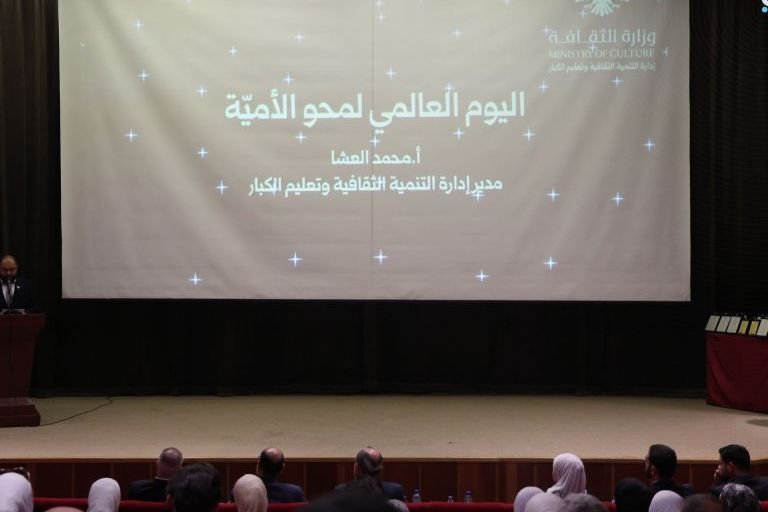
In recognition of International Literacy Day, the Syrian Ministry of Culture has launched a national initiative to address the country’s rising illiteracy rates. The program emphasizes that literacy is a cornerstone of national development, civic rights, and lifelong learning, especially as the nation navigates the challenges of war, displacement, and economic hardship.
During the event, a documentary was presented to illustrate the scale of illiteracy resulting from years of conflict and economic instability. Mohamed Al-Asha, Director of Cultural Development and Adult Education, announced a two-pronged strategy to combat the phenomenon. The first phase focuses on immediate intervention, having already launched over 400 educational courses since the start of the year. The second phase involves an ambitious national plan aimed at reducing illiteracy to single-digit percentages within the next three years.
Officials highlighted that the updated curriculum has evolved beyond basic reading and writing. It now incorporates critical subjects, including Syrian cultural identity, legal and human rights awareness, critical thinking, and digital literacy designed to protect individuals from behavioral deviations and radicalization. Ahmed Al-Sawaf, Assistant Minister of Culture, noted that literacy is essential for upholding human dignity, enabling individuals to understand their rights and responsibilities and empowering them to contribute effectively to national development.
The event featured a tribute to 18 successful graduates who overcame illiteracy. Some of these individuals have continued their formal education through the secondary certificate level, while others have launched small-scale productive projects in food manufacturing and handicrafts, demonstrating the direct socio-economic impact of these programs.
A specialized seminar was also held to discuss the integration of technology in adult education, specifically the role of artificial intelligence. Experts noted that digital solutions offer flexibility, allowing for personalized content that meets the unique needs of learners and helps overcome traditional barriers related to time and teaching staff.
Recent data shared during the event indicates that there are approximately four million illiterate individuals in Syria, alongside roughly 2.5 million children who have dropped out of school. These figures present a significant national challenge, highlighting the urgent need for institutions to provide sustainable educational environments that foster social integration and equip future generations with the skills to navigate rapid global transformations.
