
Syria Atomic Energy Commission Enhances Research on Genetic Diseases
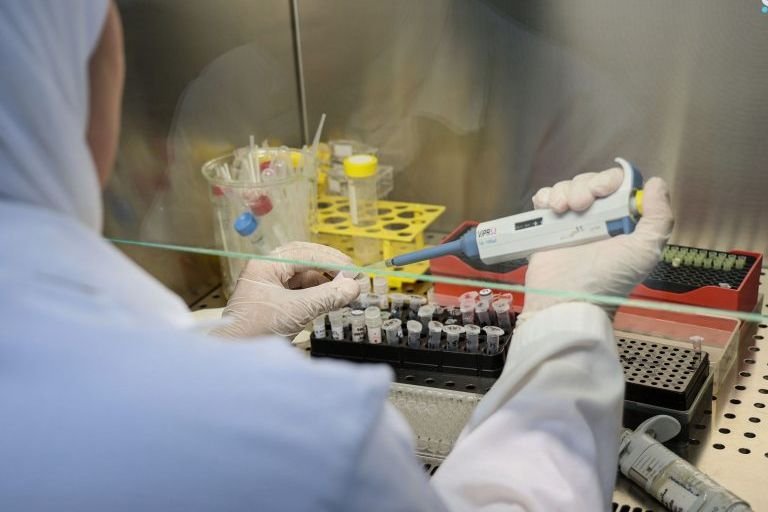
The Syrian Atomic Energy Commission (SAEC) is strengthening its research and service role within the national health sector by intensifying work in its molecular biology and biotechnology departments. These efforts are part of the commission’s broader strategy to enhance diagnostic and therapeutic tools and to identify the genetic factors associated with the most prevalent diseases in the country.
In a recent announcement via its official channels, the commission confirmed the adoption of a comprehensive suite of advanced medical and biological technologies within its genetics and genomic study laboratories. These tools include sophisticated chromosomal analysis, polymerase chain reaction (PCR) techniques, and cutting-edge DNA sequencing methods, including next-generation sequencing. This scientific methodology is designed to improve the accuracy of diagnoses and the identification of genetic mutations, directly contributing to the quality of treatment plans for patients.
The commission remains the only governmental research and service center in Syria providing this specialized level of medical service. Its work primarily focuses on studying diseases that pose significant local health challenges. Key areas of focus include thalassemia and sickle cell anemia, as well as Mediterranean spotted fever (familial Mediterranean fever). The laboratory also conducts extensive research on various oncological conditions, with a specific focus on breast cancer, leukemia, and lymphomas. Furthermore, the studies encompass other less common conditions, such as cystic fibrosis and various coagulation disorders, facilitating the creation of a precise scientific database to support the national health system.
Established in 1976 and having commenced its institutional activities in 1981, the Syrian Atomic Energy Commission is responsible for the government’s management of atomic energy and its peaceful applications in Syria. The current focus on biological and genomic research represents a strategic effort to leverage technology and scientific inquiry to assist health institutions. By utilizing its well-equipped infrastructure and decades of accumulated scientific expertise, the commission aims to mitigate the burden of genetic and cancerous diseases affecting a wide segment of the Syrian population.
