
Rising Groundwater Threatens Agricultural Lands in Raqqa Countryside
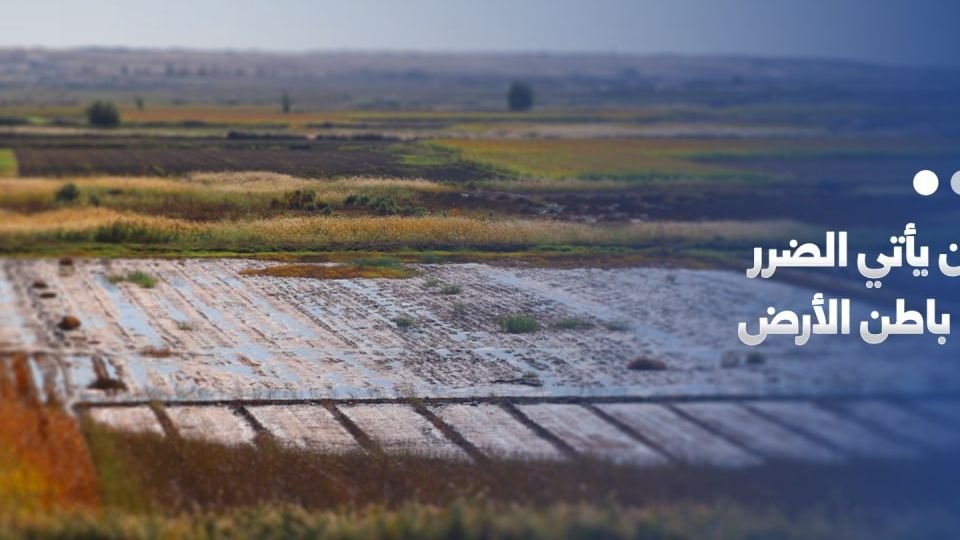
The Eastern Salhabiya region in the Raqqa countryside is currently facing significant environmental and geological challenges as rising groundwater levels begin to severely impact agricultural lands. This natural shift is not only affecting the composition of the soil but has also led to the emergence of natural cavities, creating a new and pressing risk for the local agricultural sector.
Eastern Salhabiya is an area where the local economy relies heavily on agricultural activity. Consequently, these structural changes in the land have become a source of mounting concern for both farmers and local residents. The appearance of these natural cavities indicates fundamental changes in the physical properties of the soil under the influence of water saturation. Experts warn that this saturation process could lead to further ground instability, including potential cracks or partial collapses in the affected agricultural areas.
Although the phenomenon is rooted in subterranean changes, its consequences pose an immediate challenge to the sustainability of agricultural production throughout the Raqqa countryside. Relevant local authorities are monitoring these developments, which threaten vast areas of land that are vital to the region’s agricultural livelihood. To date, there is a noted absence of clear engineering or agricultural solutions to address this geological shift.
The ongoing rise in groundwater levels underscores the increasing environmental pressures facing rural areas in Raqqa. This situation places a significant responsibility on the local administration to assess the potential damage to agricultural infrastructure. Ensuring the protection of crops from deterioration caused by moisture saturation is critical, as the formation of soil cavities and gaps threatens to impede future agricultural investment and land productivity in the region.
Source: Syria Focus Arabic
