
Middle Eastern Artisans Revitalize Traditional Woodcraft for Modern Era
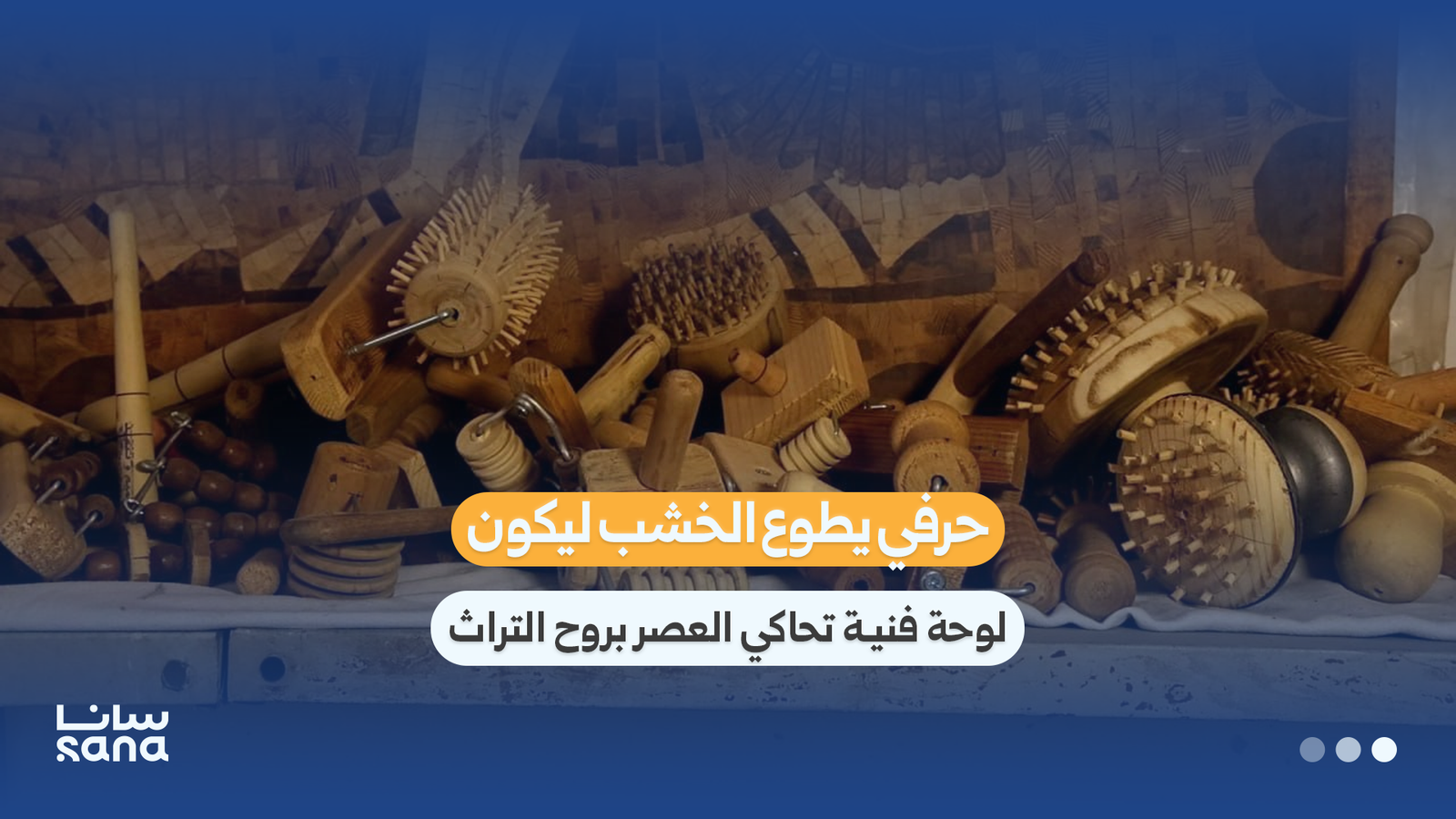
In workshops tucked away in the historic quarters of cities across the Middle East and North Africa, a new generation of artisans is redefining the boundaries of traditional woodcraft. By merging centuries-old carving techniques with modern design sensibilities, these craftsmen are transforming raw timber into functional art pieces that serve as a bridge between the region’s storied past and its rapidly evolving present.
This movement represents more than just a aesthetic revival; it is a strategic effort to ensure the survival of artisanal skills that have faced the threat of obsolescence in the face of industrial mass production. At the heart of this transition is the meticulous “taming” of wood, a process that requires both physical labor and a deep understanding of the medium’s natural grain and resilience. Modern practitioners are moving beyond purely decorative motifs, applying ancestral geometric patterns and intricate joinery to items that cater to contemporary living spaces.
For many artisans, the objective is to create works that resonate with a younger demographic while honoring the specific architectural and design legacies of their home countries. This involves a shift in perspective: where wood was once primarily used for structural necessity or traditional furniture, it is now being reimagined as a canvas for storytelling. The resulting pieces often feature a synthesis of minimalism—often seen in modern global design—with the ornate, soulful complexities of regional heritage.
This trend toward high-end, bespoke woodwork also carries significant economic implications for the regional cultural sector. As the demand for authentic, hand-crafted goods rises within urban centers in the Middle East, such workshops are finding new vitality. By elevating the status of the “artisan” to that of a “designer,” these woodworkers are helping to foster a local craft economy that values human expertise over machine-made conformity. This transition is essential for the preservation of intangible cultural heritage, as it provides a sustainable career path for practitioners who have spent years mastering their trade.
The significance of this work extends to the cultural identity of the region. As international markets look toward the MENA area for distinct design identities, the ability to produce high-quality, culturally grounded items becomes a matter of soft power and economic diversification. By successfully adapting traditional methods to meet modern standards of comfort and utility, these artisans ensure that the rhythmic patterns of the past remain a tangible part of the future. The workshop, therefore, functions as a laboratory of identity, where every incision into the wood is a deliberate act of cultural continuity, securing a place for regional craftsmanship in the global arena.
