
Legal Experts Affirm Due Process in Damascus Trials of Former Officials
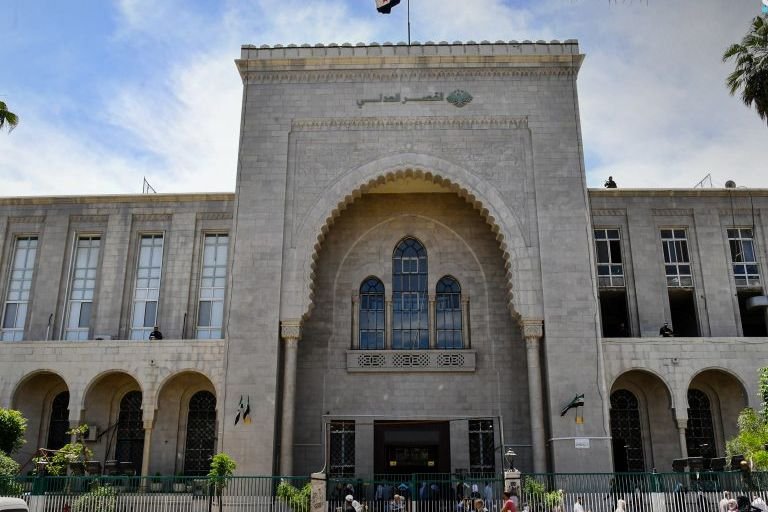
A group of Syrian legal experts, including specialists in international criminal law and transitional justice, has underscored that the ongoing trials of several former regime officials at the Fourth Criminal Court in Damascus are being conducted in accordance with the Syrian Code of Criminal Procedure. These experts assert that the judicial proceedings reflect a commitment to transparency and provide a legal environment aligned with international standards and conventions.
Dr. Ahmed Al-Qorbi, director of the Syrian Dialogue Center and an expert in public law, stated that the Fourth Criminal Court’s adherence to procedural rules ensures the essential guarantees for the right to a defense and maintains the transparency of the trials. According to Al-Qorbi, the national legislation generally fulfills international requirements regarding public proceedings, including the right of the accused to discuss evidence, present a defense, and cross-examine witnesses.
Addressing specific procedural nuances, Al-Qorbi noted that the decision to omit certain witness names to ensure their protection is a practice consistent with international norms observed in various global judicial systems, including European courts. While the Syrian Code of Criminal Procedure may not contain an explicit, detailed provision for such anonymization, he argued that its application demonstrates an effort to ensure the proper administration of justice and the safety of all parties involved in the litigation.
Furthermore, Al-Qorbi emphasized that the court has balanced the need for expediency with the rights of the victims. He described the procedural deliberation observed during sessions as a justified and measured approach aimed at ensuring that witness testimonies are thoroughly heard and that the arguments presented by both the prosecution and the defense are carefully examined.
Human rights researcher Al-Mu’tasim Billah Al-Kilani echoed these sentiments, suggesting that the current judicial proceedings in Damascus indicate a positive trend toward meeting the requirements of a fair trial. He pointed to the direct appearance of the defendants alongside their legal counsel before the judiciary, and the preservation of public access to the court for media representatives, human rights organizations, and the parties involved, as key indicators of transparency. Al-Kilani added that such openness reinforces public confidence in the judicial process, noting that closed-door sessions for specific witnesses remain a standard procedure in international law when justified by privacy or safety concerns.
Legal researcher and transitional justice expert Ayman Abu Hashim highlighted that reliance on the code of criminal procedure has provided the necessary framework for managing the court sessions effectively. He observed a notable balance between the evidentiary strength of the prosecution’s case and the rights afforded to the defendants to mount their respective defenses. Abu Hashim noted that the court has demonstrated efficiency in managing the judicial timeline, which is expected to bolster the legitimacy of the eventual verdicts.
The proceedings have now reached a critical juncture. The Fourth Criminal Court has recently moved to finalize the case files, with upcoming hearings scheduled for several high-profile individuals, including Atif Najib, Waseem Al-Assad, Ahmad Hassoun, and Abdul Nasser Baraki, throughout the remainder of August.
