
Fig Harvest Season Brings Vital Income to Western Homs Countryside
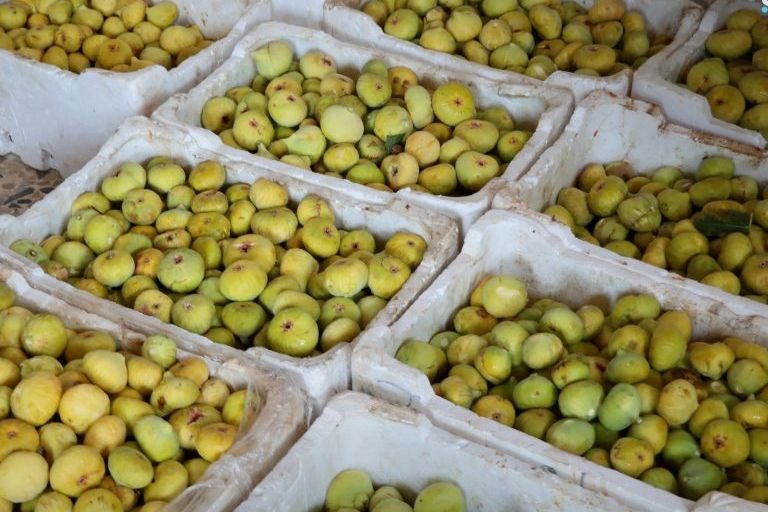
As the early morning light breaks over the western countryside of Homs, farmers head to their fields, marking the start of a busy harvest season. Equipped with baskets and crates, families work in unison to collect, sort, and process the annual fig crop. For the local community, this period is much more than a routine agricultural task; it is a vital economic resource and a social tradition that has been passed down through generations.
The harvest, which requires significant labor, sees families mobilizing to manage the influx of fruit. According to local farmers, the workday often begins as early as 6:00 AM. Depending on the size of the orchard and the yield, individual families may collect between 20 and 25 kilograms of figs daily. This produce is then transported to local distribution centers to reach markets, providing a necessary income stream that helps households secure their basic needs.
Agricultural activity in the region is varied, with specific areas like the village of Al-Qabu serving as key production hubs. During the peak of the season, which lasts for roughly a month, the area produces approximately 1.5 tons of figs per day. Farmers note that the region is home to several distinct varieties, with the ‘Marani’ and ‘Smaqi’ types being among the most prominent. The ‘Smaqi’ variety, in particular, continues to see high demand from consumers.
The economic utility of the fig harvest extends beyond the sale of fresh fruit. As the season progresses, farmers set aside portions of the crop to prepare for the winter months. Figs remaining on the trees or those not sent to market are carefully dried on rooftops. These are then traditionally processed into ‘Haboul’—a local term for dried fig garlands—and other preserved forms, ensuring that the bounty of the harvest can be stored for later use.
While the current season is reported to be more productive than the previous year, growers remain vigilant against challenges such as the stem borer beetle. Farmers have been actively engaged in managing these infestations to protect their trees. The revenue generated from these efforts is often immediately reinvested by families to purchase essential goods for the upcoming winter, such as olives and the ingredients for traditional food preparations like Makdous.
Fig cultivation remains a pillar of the local economy in the villages of the western Homs countryside. While the sector is sensitive to climatic conditions and the availability of agricultural services, it remains deeply rooted in the identity of the region. Factors such as transportation costs and the broader dynamics of the local market continue to play a decisive role in determining the final price and profitability of the season, making the successful coordination of the harvest essential for the stability of the local farming community.
