
Central Authority for Oversight Meets New Professional Master’s Cohort
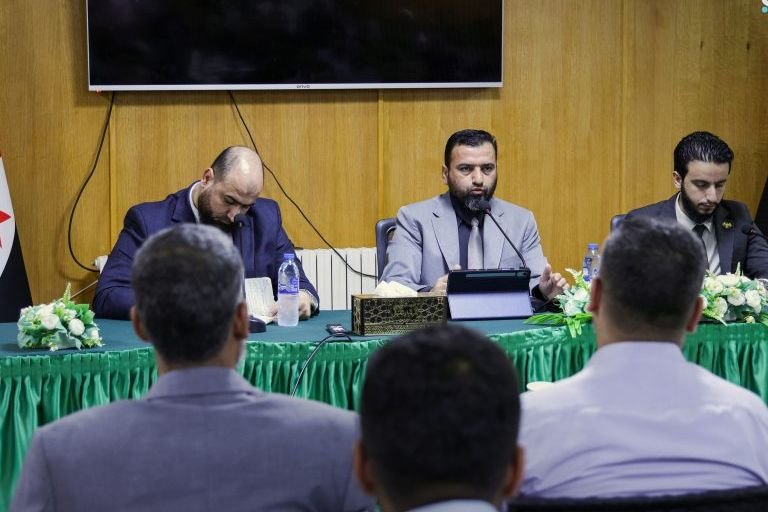
The Head of the Central Authority for Oversight and Inspection, Amer Al-Ali, held a meeting on Tuesday with the latest intake of the Professional Master’s program in oversight. Held at the Higher Institute for Oversight and Inspection, the session served to introduce the new students to the academic structure of the program, the training mechanisms involved, and the broader strategic goals for developing specialized oversight personnel.
During the meeting, Al-Ali emphasized the pivotal role that oversight institutions play in the effective functioning of public sector entities. He underscored the necessity of adhering to rigorous regulatory standards and upholding the fundamental principles of integrity and transparency. According to Al-Ali, the program is designed to integrate both academic study and professional practice, which he noted is essential for enhancing the quality, performance, and professional standards of inspection work across government institutions.
Ali Suleiman, the Director of the Higher Institute for Oversight and Inspection, also addressed the new cohort, highlighting the importance of building a highly specialized workforce. He explained that the program is specifically tailored to raise the scientific and professional qualifications of those currently working in the oversight sector, ensuring they are fully equipped to meet the evolving demands of institutional management and administrative development.
Suleiman detailed that the curriculum covers critical areas, including oversight methodology, auditing practices, data analysis, and performance evaluation. By combining theoretical foundations with practical field experience, the program aims to provide participants with the necessary skills to carry out their duties effectively in the public interest.
This educational initiative is part of a broader, ongoing effort led by the Ministry of Administrative Development in coordination with the Central Authority for Oversight and Inspection. First announced in July, the National Program for Qualifying Internal Oversight Personnel was established to prepare and train national cadres to fill key roles, such as heads of internal oversight departments and internal auditors. The project represents a significant step in the state’s strategy to strengthen administrative controls and improve operational efficiency across all Syrian governorates. By formalizing the professional training of these staff, the government aims to ensure that oversight functions remain robust, data-driven, and aligned with national institutional standards.
