
Al-Hasakah Cotton Crop Reports Positive Growth and Pest-Free Status
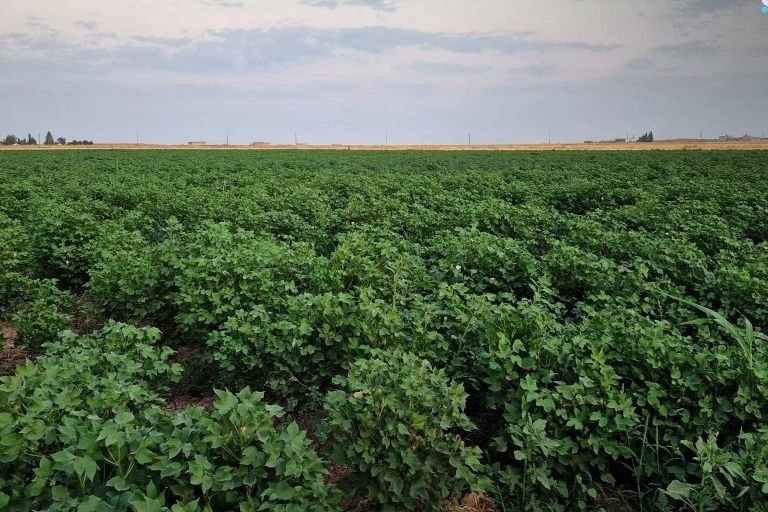
The agricultural sector in Al-Hasakah province is reporting a favorable outlook for the current cotton season, with local authorities confirming that crops across the region are exhibiting robust growth and remain free from harmful insect or fungal infestations. This positive assessment comes as the crop enters the critical stages of flowering and boll formation.
According to the provincial Directorate of Agriculture, field monitoring teams are maintaining a consistent presence across all cultivated areas in the governorate. These teams are tasked with identifying and managing any potential agricultural threats, with a particular focus on the bollworm, a pest that has impacted harvests in previous seasons. The current absence of such pests is viewed as a significant development for the stability and yield potential of this year’s cotton production.
Ezz al-Din al-Hasso, Deputy Director of Agriculture in Al-Hasakah, emphasized that the overall state of the crop is satisfactory. He noted that the ongoing monitoring efforts are essential to preserving the current health of the plants as they continue to develop. The strategic oversight of these agricultural lands aims to ensure that the progress made during the vegetative and flowering phases is maintained through to maturity.
Cotton farming in Al-Hasakah remains a vital component of the region’s agricultural economy. For the current season, the total area dedicated to cotton cultivation has reached approximately 7,835 hectares, spanning various agricultural stability zones within the province. This diverse distribution of cultivated land is monitored closely by the directorate to ensure standardized support and technical guidance for local farmers.
The harvesting cycle in Al-Hasakah is historically scheduled to commence in mid-September, with the activity typically continuing through October. This timeframe allows farmers to coordinate their harvest schedules effectively, ensuring that cotton bolls are collected at the optimal stage of maturity. Once the harvesting process is complete, the agricultural cycle proceeds to the post-harvest phase, during which farmers prepare their fields for the upcoming winter planting season. This includes essential soil preparation and plowing, ensuring that the land is properly maintained for subsequent crop rotations. The current health of the cotton fields provides a stable foundation for these future agricultural operations in the province, supporting the ongoing efforts of the local farming community to maximize production despite the challenges often associated with large-scale cultivation.
