Wael Suleiman: A Survivor’s Journey Through the Chemical Massacre
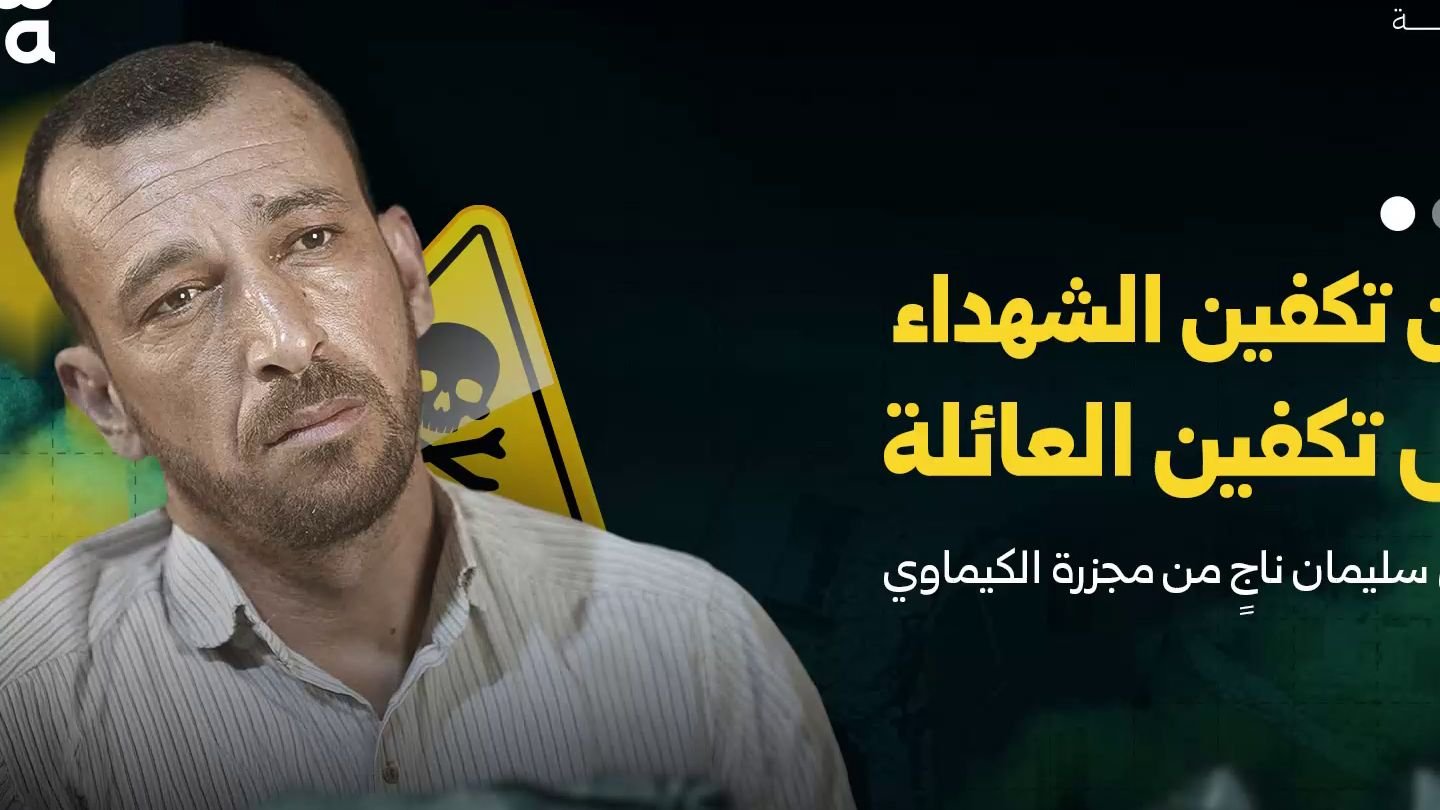
For many caught in the protracted conflict in Syria, the experience of loss has been both personal and collective. Among those who have lived through the harrowing realities of the war is Wael Suleiman, a survivor who has spoken about the profound impact of the chemical weapons massacres that have marked the nation’s history. Suleiman’s narrative is one of deep tragedy, transitioning from the grim task of shrouding the martyrs—the victims of violence—to eventually facing the unimaginable grief of shrouding his own family members who were killed in the attacks.
The use of chemical weapons has remained one of the most devastating aspects of the Syrian conflict, leaving behind deep psychological and physical scars on the survivors. For individuals like Suleiman, the memory of these events is not merely a historical record but a lived, daily reality. The act of preparing victims for burial—a deeply personal and communal ritual in Syrian culture—became a recurring burden for many, but for Suleiman, it took on a personal dimension when the loss reached his own household.
His account highlights the broader human cost of the war, where civilians have been forced to navigate roles usually reserved for rescue workers or first responders while simultaneously coping with their own displacement, injuries, and trauma. The ordeal of the chemical attacks, which have been documented across various regions of Syria, continues to be a point of significant national and international focus. These events have not only caused immense loss of life but have also served as a catalyst for widespread humanitarian concern, as survivors continue to struggle for recognition and justice.
Suleiman’s story serves as a poignant reminder of the civilian suffering that has defined the Syrian crisis. The weight of his experience—moving from the role of someone witnessing the aftermath of mass violence to becoming a direct victim of the same—underscores the indiscriminate nature of the conflict. As the nation continues to navigate the complexities of reconstruction and the long-term effects of the war, the voices of survivors remain critical to documenting the reality of these events. Their narratives provide a firsthand look at the resilience required to survive in the wake of such tragedies and emphasize the enduring impact of the chemical attacks on the fabric of Syrian society. The legacy of these incidents continues to be felt by those who, like Suleiman, were forced to shroud their own families, marking a chapter of the war that remains etched in the collective memory of the Syrian people.
