Educational Success Story: The Journey of Issa Al-Salloum
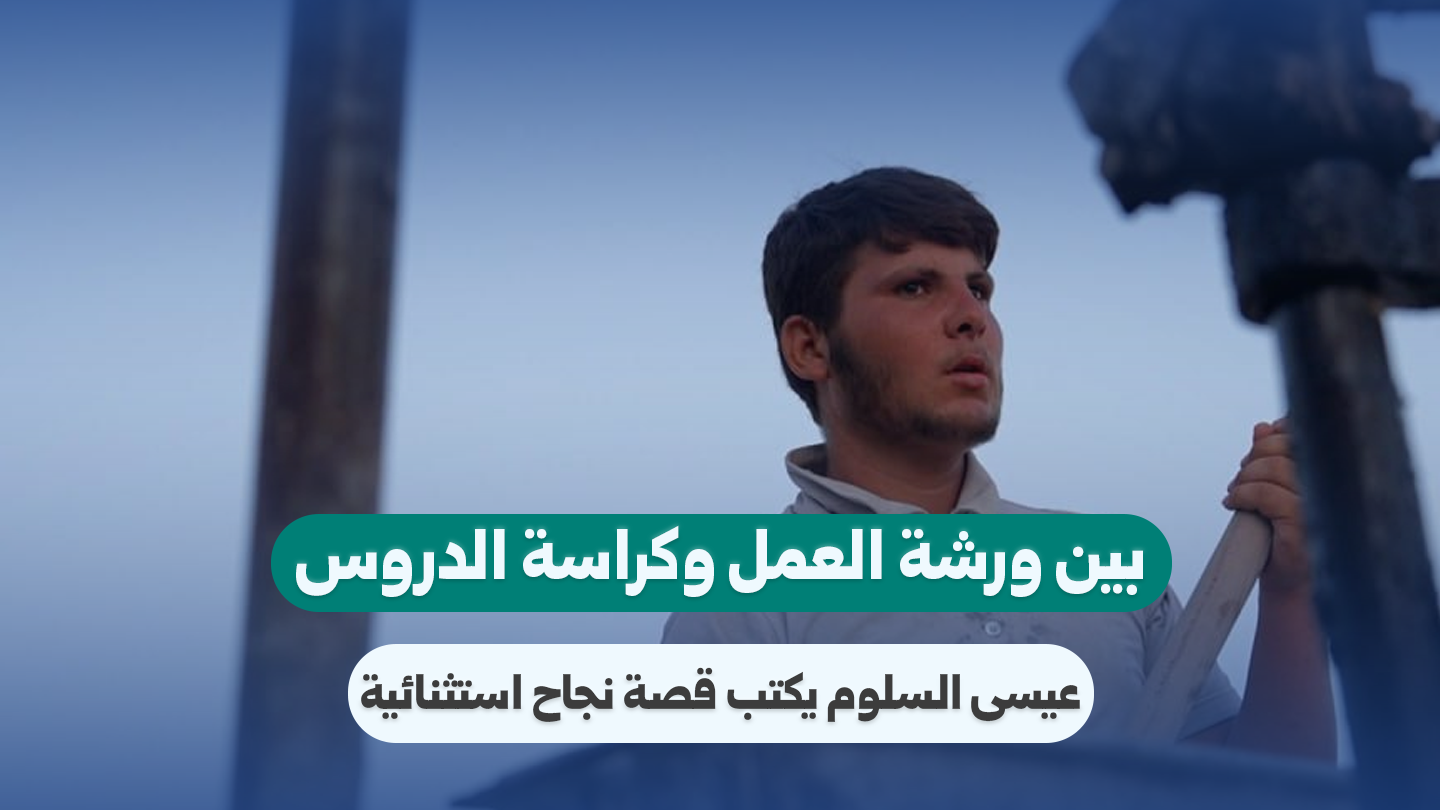
In a testament to individual dedication within the educational landscape of Syria, the story of Issa Al-Salloum has emerged as a notable example of perseverance and professional success. Navigating the complexities between practical workshop environments and the rigorous demands of traditional academic study, Al-Salloum has carved out a unique path that reflects broader efforts to bridge the gap between vocational training and formal schooling.
The narrative of Al-Salloum’s career is centered on a commitment to both skill acquisition and theoretical knowledge. By balancing time spent in the workshop—where technical expertise is honed—with the concentrated effort required to master classroom curricula, he has demonstrated a successful model for personal and professional development. This dual approach is increasingly relevant in the current Syrian context, where the integration of hands-on technical skills with structured education remains a critical objective for national capacity building.
His journey serves as a significant narrative regarding the value of persistence in the face of evolving educational standards. The story highlights that success is not merely the result of classroom achievement but is inextricably linked to the practical application of skills in a real-world setting. As a professional figure, Al-Salloum has become a representative of the importance of maintaining high academic and technical standards despite the challenges often faced in various regions throughout the country.
While details of his specific field of work are focused on his personal career trajectory, the broader implications of his success resonate with many who are working to revitalize and sustain the educational infrastructure in Syria. His story is one of focus, characterized by a transition from basic learning to a more advanced, integrated mastery of his chosen craft. This progression underscores the potential for individual ambition to contribute positively to the wider social and economic environment.
Ultimately, the recognition of individuals like Issa Al-Salloum provides insight into the ongoing efforts to foster excellence within Syrian communities. His experience reinforces the necessity of continuing to support vocational and academic initiatives that allow citizens to improve their prospects and contribute to the stability and growth of their respective sectors. As he continues to document his journey, his work remains a focal point for those interested in the success stories emerging from within the local educational and technical spheres.
