
Saraqib Grain Center Completes First Season Post-Reactivation
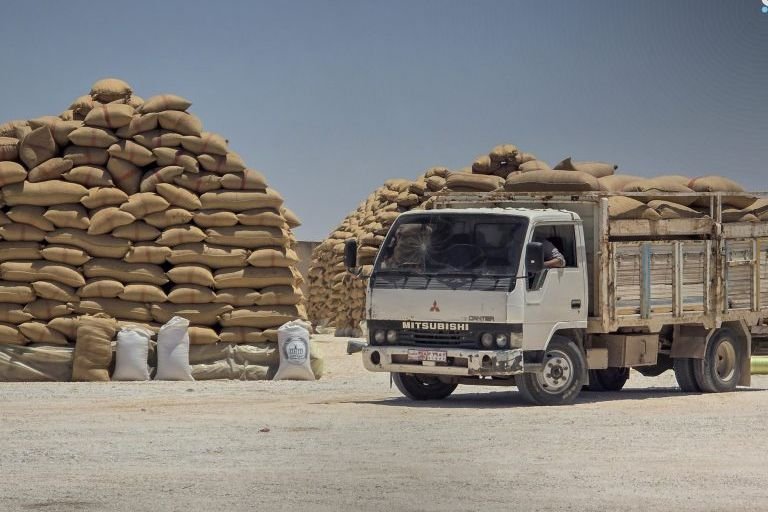
The grain storage facility in Saraqib, located in the eastern countryside of Idlib, has successfully concluded its inaugural operating season following a major reactivation project. The center, which had been out of service for 14 years, processed approximately 22,000 tons of wheat this season, marking a significant milestone in efforts to restore agricultural infrastructure in the region.
According to Ahmad al-Qaddour, the local director for the Syrian Establishment for Grains, the facility was brought back into operation just prior to the current harvest season. The move is part of a broader strategy to support the agricultural sector by providing localized collection and storage points, thereby reducing the logistical burden and transport costs for farmers who previously had to move their harvests to distant silos.
Of the 22,000 tons received, 14,000 tons have been secured within the center’s permanent warehouses, while the remaining 8,000 tons are currently held in designated open-air storage areas. The facility currently possesses a total estimated capacity of 65,000 tons, encompassing both internal and external storage space. The reactivation follows extensive rehabilitation work completed earlier this year in May, aimed at restoring the site’s functionality as a strategic hub for the province.
Looking toward future agricultural development, the establishment has unveiled plans to expand the center’s capabilities. A project is currently under study to install a horizontal flour mill at the site, which is intended to increase value-added processing for the local crop. Projections suggest the new mill would boast a production capacity of 125,000 tons, with installation planned for the near future. Furthermore, officials have announced plans to integrate a new grain silo into the complex.
These infrastructural enhancements come at a time when wheat cultivation has seen a notable expansion across the countryside of Idlib over the last two growing seasons. By centralizing collection and improving processing infrastructure, regional authorities aim to strengthen the stability of the local agricultural supply chain and ensure that produce from the region is efficiently managed and stored.
