
Fishermen in Tartus Persevere to Preserve Ancestral Trade
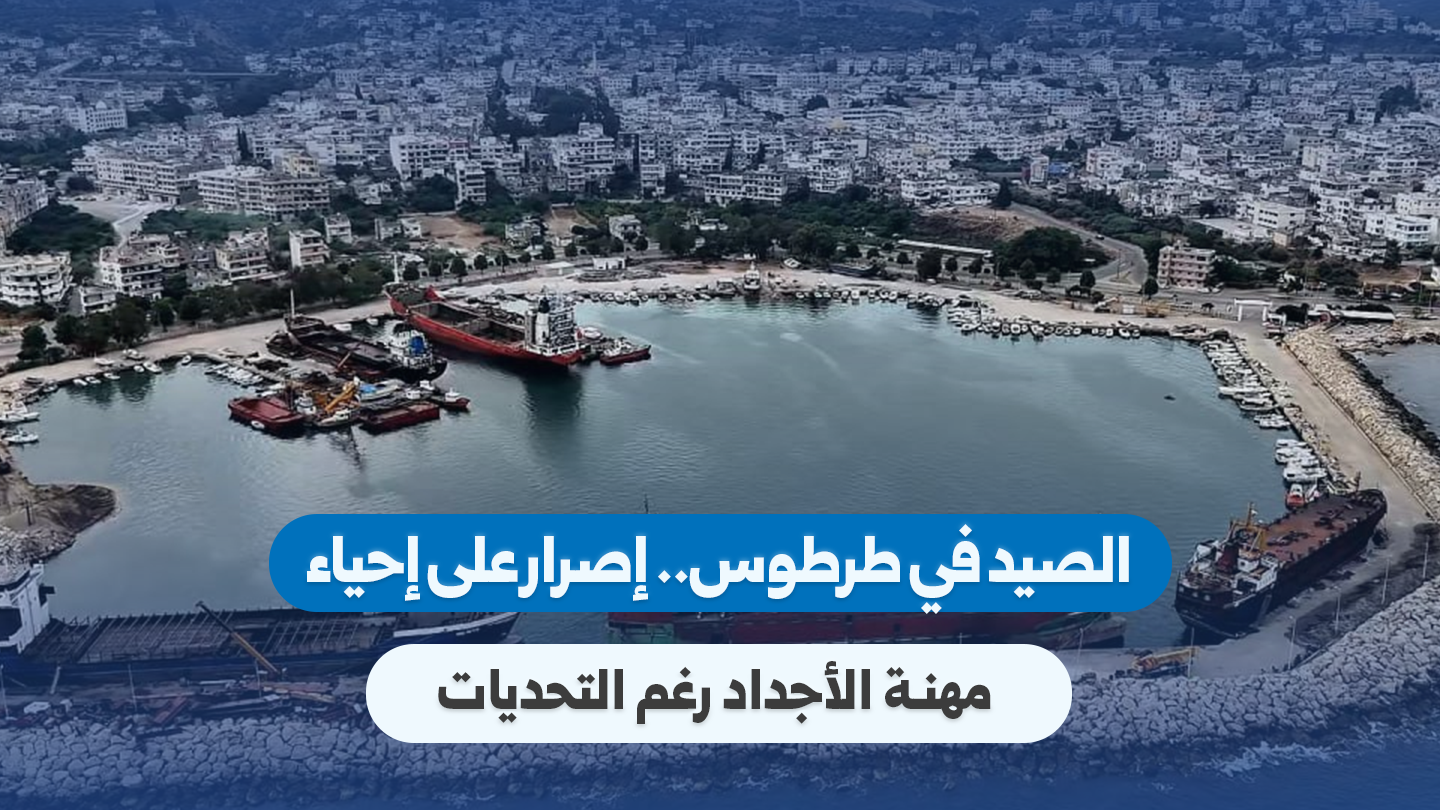
For the fishermen of Tartus, the sea is more than a source of income; it is a repository of heritage and a way of life that has been passed down through generations. Despite the mounting challenges facing the coastal economy in Syria, members of the local fishing community continue to demonstrate resilience, insisting on the preservation of a trade that remains central to the identity of this Mediterranean port city.
The fishing sector in Tartus, like many traditional industries in Syria, currently contends with a complex array of obstacles. Rising costs of essential materials, including fuel, maintenance for vessels, and the repair of fishing gear, have placed significant pressure on families whose livelihoods depend on the daily catch. These economic realities have made the pursuit of traditional fishing an increasingly demanding endeavor, requiring not only skill and patience but a steadfast commitment to overcoming persistent hardships.
Despite these barriers, there remains a deep-seated determination among the city’s practitioners to keep the trade alive. Many fishermen view their work as a continuation of their ancestors’ legacy, balancing the practical needs of a modern economy with the cultural importance of maintaining maritime traditions. The act of going to sea, navigating the coastal waters, and bringing in the daily haul is seen by many in the community as an essential link to their heritage.
Local observers note that while modernization and shifting economic conditions have changed the landscape of the industry, the spirit of the Tartus fishing community remains intact. The reliance on traditional methods, often handed down from father to son, serves as a point of pride and a mechanism for cultural endurance. Efforts to sustain these activities are often driven by the individual efforts of the fishermen themselves, who navigate the volatility of the market and the physical demands of the sea with a shared sense of purpose.
As the broader Syrian economy continues to navigate a period of reconstruction and adjustment, the endurance of traditional vocations like fishing highlights the persistence of local communities. In Tartus, this resilience is visible along the docks and in the daily routines of the fishing boats that continue to set sail. The dedication to this ancestral craft reflects a broader sentiment found in coastal regions where identity is inextricably linked to the sea. For the present generation of fishers, continuing the trade is a deliberate choice to honor their roots while finding ways to adapt to a changing environment. As they look toward the future, the fishermen of Tartus maintain a focus on preservation, ensuring that the legacy of their ancestors is not lost to the challenges of the modern age.
