
Damascus Court Issues Verdicts in Key Accountability Case
The Fourth Criminal Court in Damascus has delivered a series of significant legal verdicts, sentencing the former head of the regime and several associates to death in a move described by human rights observers as a pivotal step toward institutional accountability. The judgment, rendered during the ninth session of a high-profile case, targets individuals convicted of committing crimes against the Syrian people.
Among those sentenced to capital punishment are the former regime head, along with Atef Najib and seven other fugitives, including Maher Hafez Al-Assad, Fahd Jassim Al-Freij, Luay Ali Al-Ali, Qusay Ibrahim Mihoub, Wafiq Saleh Nasser, and Talal Fares Al-Issami. The court also noted that the case against the late Mohamed Ayman Ayoush was closed following his death.
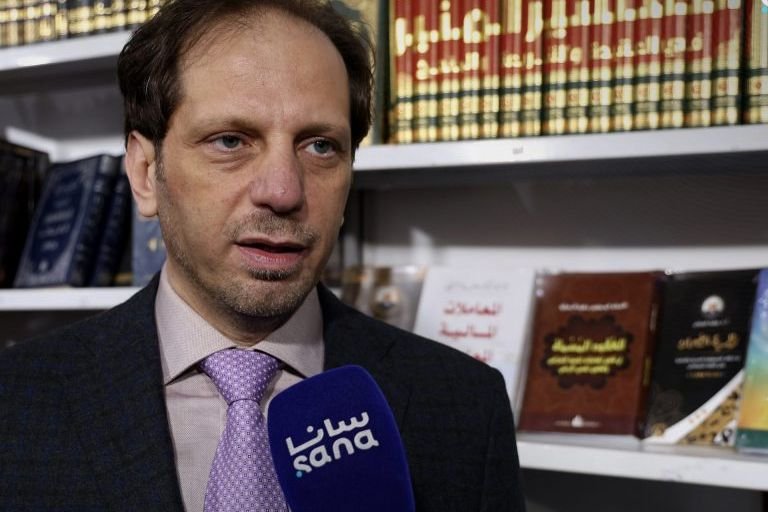
Fadel Abdul Ghany, director of the Syrian Network for Human Rights, emphasized the significance of the court’s decision, stating that the rulings represent a critical advancement in the effort to combat impunity. According to Abdul Ghany, the transition of accountability from the sphere of political and moral advocacy into a national judicial framework is a necessary development for the country’s legal history.
“The issuance of these rulings carries particular weight for the victims and their families,” Abdul Ghany noted, explaining that the judicial process serves as a formal acknowledgment of the systemic nature of the violations endured by the population, including killings, torture, arbitrary detention, and enforced disappearances. By documenting these actions within a court of law, the proceedings frame the incidents not as isolated occurrences, but as components of a broader, established pattern of state-led violence.
However, legal advocates are cautioning that these individual verdicts, while symbolically important, are only the beginning of a much larger, necessary process. The call for a comprehensive national path to justice involves the implementation of new legislation specifically targeting crimes against humanity, war crimes, and acts of torture. Experts argue that such legal reforms are essential to establish clear accountability for leadership, ensure the protection of victim rights, and provide robust mechanisms to prevent the recurrence of such abuses in the future.
Sustainable justice, as defined by those working on the front lines of human rights, requires more than a single court ruling. It necessitates an exhaustive process of uncovering the full truth, providing meaningful reparations to the victims, determining the fate of the disappeared, and ensuring institutional guarantees of non-repetition. As the legal situation continues to evolve, the focus remains on whether these judicial developments will form the foundation for a broader, systematic approach to national reconciliation and the rule of law.
