
Damascus Court Issues Death Sentences for High-Ranking Officials
The Fourth Criminal Court in Damascus has delivered a landmark series of capital sentences, marking what judicial authorities describe as a significant step in the pursuit of accountability. In a session presided over by Judge Fakhr al-Din al-Aryan, the court issued death sentences against several high-ranking individuals, including Bashar al-Assad, Maher al-Assad, and Atef Najib, alongside five other defendants who were tried in absentia.
The proceedings concluded that the defendants were guilty of grave offenses, including murder, systematic torture, unlawful imprisonment, and various other crimes categorized as war crimes and crimes against humanity. The verdict follows a legal process that authorities stated adhered to established litigation procedures, emphasizing that the charges were pursued under the national criminal code without bias or selectivity.
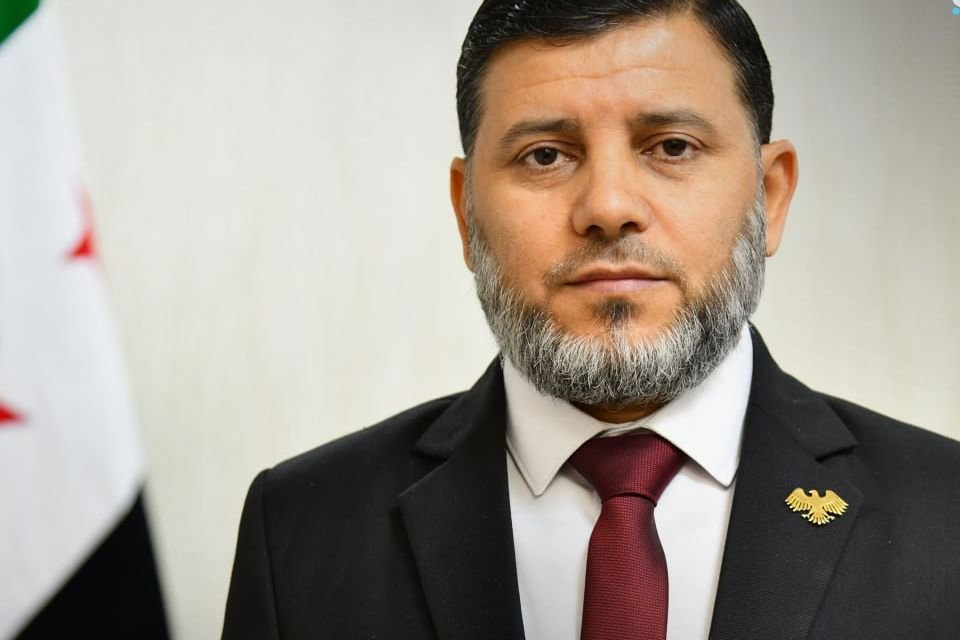
Following the court’s decision, the Public Prosecutor for the Syrian Arab Republic, Judge Counselor Hassan al-Turba, issued a statement characterizing the day as a historic milestone for the justice system. Addressing the media, Judge al-Turba asserted that the judiciary remains committed to addressing all crimes committed against the Syrian people. He noted that while the current rulings focus on a specific group of fugitives, the legal system is currently managing thousands of other cases involving individuals accused of similar offenses.
During the announcement, the court also addressed the status of other defendants. The public prosecution case against one individual, Muhammad Ayman Ayoush, was officially dismissed following his death.
Looking ahead to the enforcement of these judicial rulings, Judge al-Turba indicated that the government plans to expand its reach beyond national borders. He confirmed that authorities intend to coordinate with Interpol to facilitate the execution of arrest warrants and the handover of suspects currently at large. The Prosecutor emphasized that the issuance of these sentences represents merely the beginning of a broader, sustained judicial path aimed at ensuring that those implicated in serious violations of human rights and international law are held to account for their actions.
The scale of the ongoing legal effort, as described by the Prosecutor, underscores a significant development within the domestic judicial landscape. With thousands of cases reportedly under review, the court’s actions signal a determination to utilize existing national legal frameworks to address the aftermath of years of conflict and the widespread accusations of human rights abuses that have characterized the period.
