
Rising Costs and Marketing Hurdles Hit Cotton Production in Raqqa
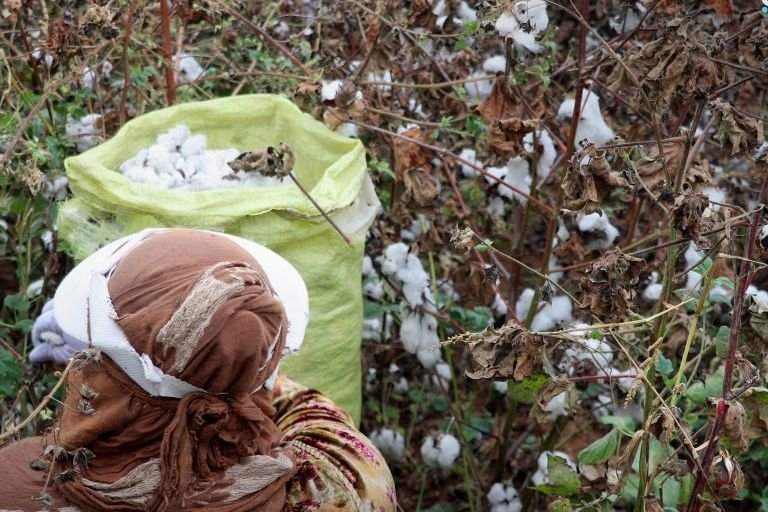
The cotton cultivation sector in Raqqa province is facing significant challenges this season, leading to decreased productivity and mounting financial burdens for local farmers. According to available data, the total area dedicated to cotton cultivation has shrunk by 10 to 15 percent compared to the previous season. This decline is largely attributed to surging costs for essential production supplies, including fertilizers, fuel, plowing services, and labor. Many farmers have been forced to reduce agricultural maintenance and the frequency of plowing, which has negatively impacted both the quality and volume of the harvest.
Jamal Farraj, the Deputy Director of Agriculture in Raqqa, stated that the total area planted with cotton reached approximately 13,700 hectares, with a projected total output of 45,000 tons. To facilitate the marketing process, the General Organization for Cotton Ginning has established a temporary center in the province to receive the crop before transporting it to ginning facilities in Aleppo. The purchase price for one kilogram of cotton has been set at 100 Syrian pounds, a figure that includes a 20-pound subsidy from the Agricultural Production Fund. Relevant authorities noted that this price was determined based on a study of production and harvesting costs.
However, farmers on the ground describe a starkly different reality. Zakaria Najm Al-Abdullah, a local farmer, characterized the harvest as ranging between average and poor. He attributed these results to a lack of available fertilizers and labor, as well as the necessity for farmers to sell their crops to private traders at low prices due to weak marketing channels and difficult weather conditions. Another farmer, Ahmed Al-Mousa, noted that production per dunam did not exceed 350 kilograms. He argued that the official prices do not reflect the significant effort exerted or the high costs of production, particularly in the absence of direct procurement of crops by government entities.
Agricultural stakeholders in Raqqa are calling for the implementation of a marketing mechanism that ensures fair prices—one that would cover production costs and provide a profit margin to guarantee the sustainability of the profession. Furthermore, they are urging the provision of fertilizers and fuel at subsidized prices in a timely manner. These demands come at a time when the state assigns strategic importance to cotton, as it serves as a critical pillar for the national textile industry, including the production of yarn, fabrics, and oils.
Nationally, the Syrian Ministry of Agriculture reported that approximately 32,000 hectares of cotton were planted this season, out of a planned 50,000 hectares. With a projected production of 100,000 tons, these figures underscore the urgent need for integrated support for the cotton sector to ensure sustained production and the availability of raw materials for domestic industries.
Source: Syria Focus Arabic
