
Syria’s Health Ministry Sets 4 Standards for Private Lab Pricing
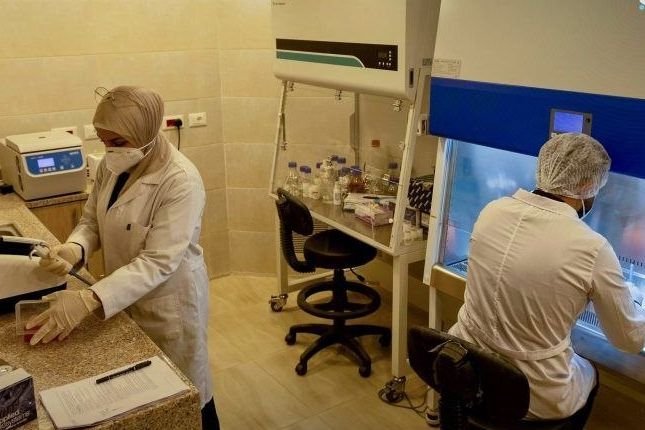
The Syrian Ministry of Health has announced a new initiative to regulate the private medical laboratory sector as part of ongoing efforts to standardize testing fees and ensure the quality of services provided to citizens. Dr. Waseem Battah, Director of the Ministry’s Department of Laboratories and Medical Analysis, confirmed that the ministry is actively addressing the issue of price discrepancies between laboratories while prioritizing strict adherence to accuracy and professional standards.
Dr. Battah explained that pricing for tests in private laboratories will be determined based on four core criteria. These standards are designed to ensure the coverage of actual costs while safeguarding the interests of the public. The criteria include the cost of reagents and consumables, the maintenance and replacement parts for analytical equipment, technical quality and accreditation requirements, and operational expenses such as rent, energy, and water. Additionally, the costs associated with the safe disposal of medical waste and periodic requirements for licensing, taxes, and insurance are also factored into the pricing model. The ministry currently utilizes an official price list, with the most recent version dating back to 2023, which is calculated based on the number of units per individual test.
Regarding oversight, Dr. Battah noted that laboratory inspection committees affiliated with health directorates across various Syrian provinces are conducting frequent and intensive inspections. These visits are intended to verify that laboratories are complying with the official pricing, monitor technical equipment, oversee the supply chains and expiration dates of reagents, and ensure adherence to occupational safety standards. These committees submit monthly reports to the Ministry’s Department of Laboratories and Medical Analysis for corrective action. Depending on the severity of the violation, measures may range from formal warnings to the closure and sealing of non-compliant laboratories.
Laboratory specialist Batoul Najeeba emphasized the critical importance of quality control, noting that accurate results begin with a clear clinical understanding of the patient’s condition. This process follows a rigorous path, starting with the periodic calibration of devices according to reference values, through to the review of results by technicians and the supervising physician before they are released. Najeeba underscored that the laboratory assumes full responsibility for any errors; in such instances, the test must be repeated at no additional cost to the patient.
This initiative coincides with the reactivation of the Medical Analysis Laboratories Authority in April 2025. The ministry expects the authority to play a pivotal role in strengthening oversight, organizing laboratory operations, and addressing public complaints regarding pricing or the accuracy of test results. Dr. Battah encouraged citizens who encounter price hikes or have concerns regarding the accuracy of their results to file a formal complaint with the Department of Laboratories and Medical Analysis. He assured that the ministry investigates all such complaints through official legal channels, with a commitment to ensuring the refund of any excess charges if a violation is proven and compelling the laboratory to provide a pledge against future recurrence.
Source: Syria Focus Arabic
