
Al-Khayt Al-Arabi: A Damascene Legacy of Art and Architecture
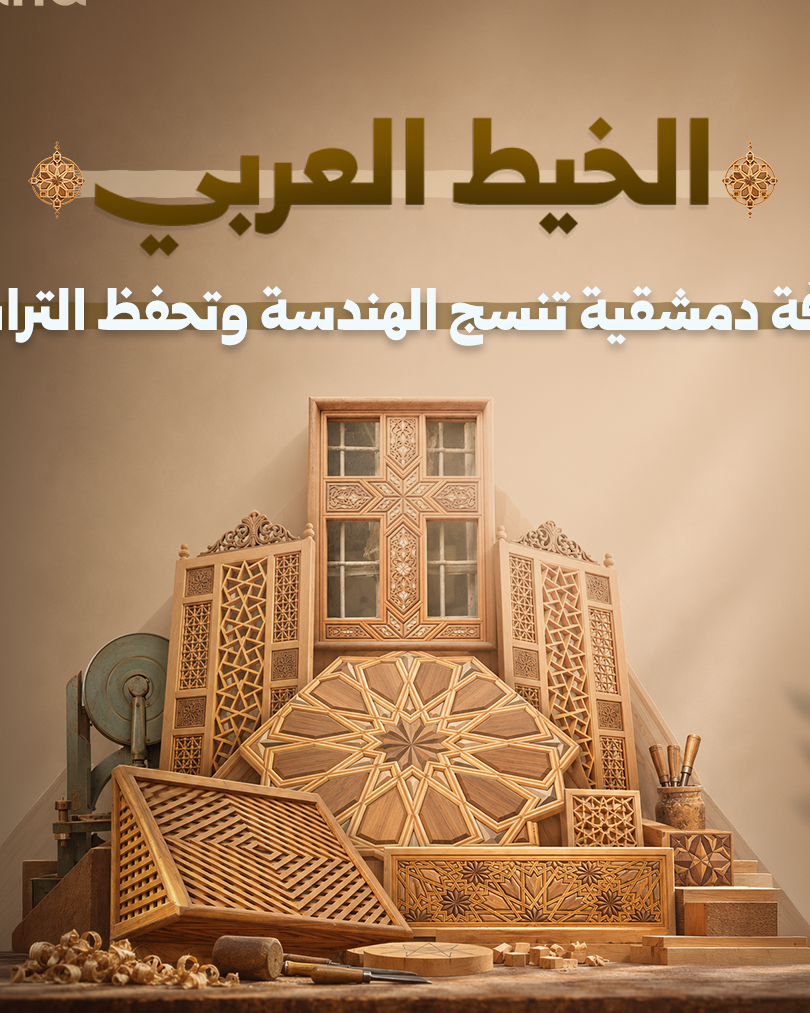
The craft of “Al-Khayt Al-Arabi” stands as one of the most distinguished artistic traditions in Damascus. Serving as a living testament to a long history of creativity, this artisanal practice has been meticulously passed down through generations, embodying the ingenuity of Syrian craftsmen.
At its core, Al-Khayt Al-Arabi involves the transformation of simple raw materials into sophisticated, intricate geometric patterns. This process demonstrates the exceptional skill of Damascene artisans, who have mastered the ability to manipulate wood and other materials to create works that are simultaneously complex and visually stunning.
The significance of this craft lies in its unique capacity to bridge the gap between aesthetic beauty and the architectural precision inherent in Islamic design. These delicate, interlocking geometric works are frequently found integrated into the architectural elements and decorative features of historic Damascene homes, mosques, and palaces. By utilizing intricate, interlacing lines, these pieces create a visual balance that reflects the profound cultural and civilizational depth of the city.
Damascene craftsmen have inherited the closely guarded secrets of this profession over time, adhering to rigorous standards that demand extreme precision in both measurements and execution. Every piece produced using the Al-Khayt Al-Arabi technique is far more than a mere decorative item; it is the result of a precise engineering process based on symmetry and deliberate repetition. These patterns are designed to provide a sense of visual harmony, making this art form an inseparable part of the artistic identity of Damascus.
The endurance of such traditional crafts highlights the commitment of the Damascene community to preserving its cultural and artistic heritage against the threat of extinction. Even as technological development accelerates, Al-Khayt Al-Arabi remains a witness to an era when the artisan dedicated their time and soul to every finished piece, turning raw materials into a legacy that defies the passage of time.
Today, this art form serves as a vital component of Syria’s cultural tourism. Visitors from around the world are drawn to the meticulous detail and craftsmanship of these works, which tell a story of inexhaustible creativity from the heart of Damascus.
Source: Syria Focus Arabic
