
Syrian Media Evolution: Moving from Intimidation to Professionalism
The International Day to End Impunity for Crimes against Journalists in 2026 coincides with a pivotal juncture in the history of Syrian media. The local landscape is currently undergoing fundamental transformations intended to break away from the security restrictions and intimidation tactics that were imposed by the previous regime for decades. These changes are emerging as part of a broader process to restructure state institutions and modernize their professional operations.
In this context, international communication and media expert Paul Maroudas reviewed his long professional experience in Syria, which began in 2003. During that period, journalists faced a stifling security environment characterized by strict administrative and security complexities. Journalism was a high-risk profession under constant surveillance, leading many to hide their professional identities due to the prevalent belief that being labeled a “journalist” was a harbinger of misfortune.
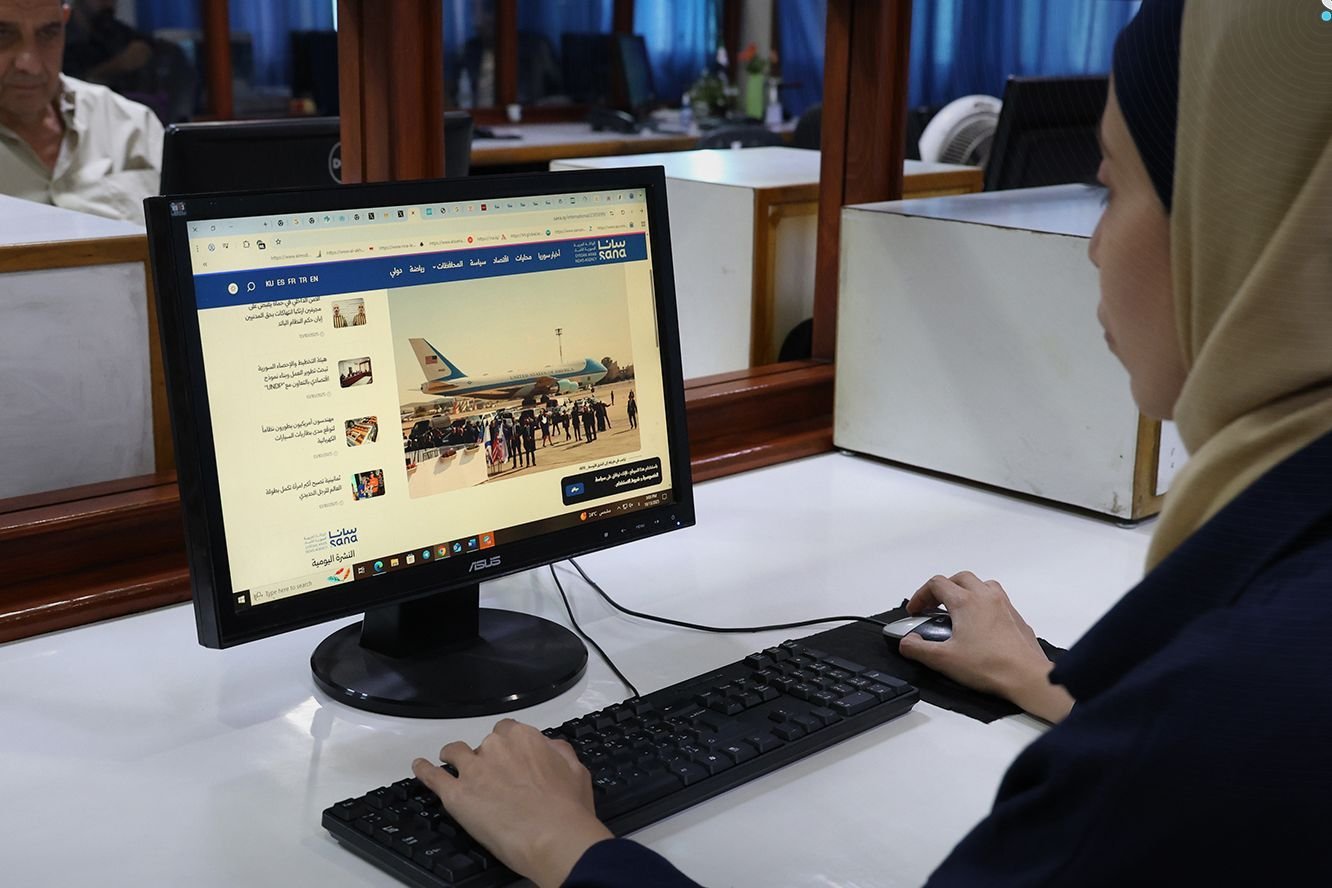
Following his return to Damascus in the post-liberation era, as part of a European program to develop the Syrian Arab News Agency (SANA), Maroudas observed a tangible shift in the dynamics of newsroom operations. He emphasized that the current environment displays a new vitality, reflected in a growing openness to debate, the exchange of diverse viewpoints, and the acceptance of professional criticism. These shifts are considered indicators of a move toward a more transparent media environment.
Maroudas explained that the greatest challenge facing Syrian media today is not limited to the removal of security restrictions; it also involves overcoming the psychological and behavioral remnants left by decades of state censorship. Self-censorship remains an obstacle for journalists, requiring cumulative efforts to establish professional standards that guarantee free discussion, editorial independence, and a clear distinction between news and opinion.
Describing this period as a “battle for the liberation of news,” Maroudas stressed that this is a collective responsibility shared by all Syrian media personnel. The goal is to build institutions that prioritize the citizen, while maintaining a professional distance between journalists and officials, free from external dictates.
These discussions hold particular significance given Syria’s historical record regarding press freedom. Between 2011 and 2024, the country witnessed systematic violations against journalists, including killings and arrests, such as the 2012 attack on the media center in Homs. Maroudas asserts that commemorating the International Day to End Impunity in Syria is more than a symbolic gesture; it serves as a critical moment to evaluate the past and affirm that accountability is the only guarantee for establishing a free and independent media that respects the truth and protects those who practice the profession.
Source: Syria Focus Arabic
