
Two and a Half Years Since the Detention of Saddam Ahmed in Quneitra
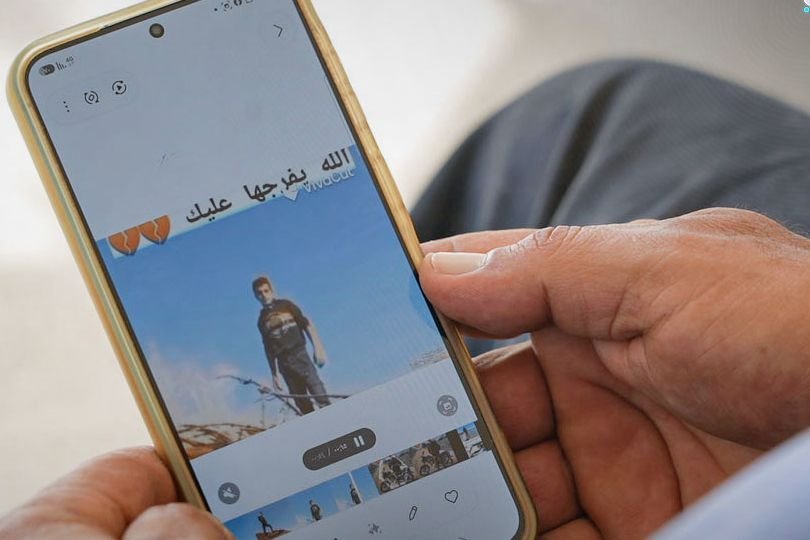
Residents of the town of Jubata al-Khashab in the Quneitra countryside are enduring a prolonged humanitarian crisis following the detention of 16-year-old Saddam Ahmed. It has been two and a half years since the teenager was taken by Israeli forces, a period marked by deep uncertainty and anguish for his family.
The incident took place on April 25, 2024, while Saddam was performing his daily routine of herding livestock on the outskirts of his village. His father, Hassan Saad al-Din Ahmed, recalls that his son was unarmed and posed no threat at the time of his arrest. Following the apprehension, the boy was taken to an undisclosed location, leaving the family without news of his condition for an extended duration. The family had placed their hopes in coordination efforts through the United Nations Disengagement Observer Force (UNDOF), but those hopes faded as months turned into years of waiting.
The family’s hardship expanded beyond the loss of their son. One month after the arrest, Israeli forces used bulldozers to level the family’s farm, destroying trees and a small building on the property. The father describes this as a calculated effort to strip the family of their livelihoods and break their resolve to remain on their land.
Four months into his detention, the family received confirmation through human rights organizations in the West Bank that Saddam was still alive. Despite this news, the family has remained unable to hear his voice or communicate with him directly, a source of constant grief for his parents and sisters who are deeply affected by his absence.
Saddam’s case is reflective of a wider trend of detentions affecting youth in southern Syria, where dozens of minors and students remain in custody under unknown conditions. This situation is compounded by ongoing incursions and land-clearing operations in the Quneitra and western Daraa countrysides, which have severely disrupted local agriculture and livestock farming—the primary sources of income for the region’s residents.
Despite these pressures, affected families continue to express their commitment to staying on their land, viewing their presence as a vital defense of the area’s identity. The family of Saddam Ahmed has urgently appealed to human rights organizations and the United Nations to intervene and pressure the detaining authorities for the release of all detained minors.
This concern was echoed by the Minister of Foreign Affairs and Expatriates, Assad Hassan al-Shibani, who previously noted that Israeli forces had conducted 147 arrests between the start of the year and last September. Of those, 49 individuals remain in custody, prompting ongoing Syrian demands for an end to these violations of human rights in the border region.
Source: Syria Focus Arabic
