
Seed Multiplication Establishment Prepares to Reactivate Al-Hasakah Branch
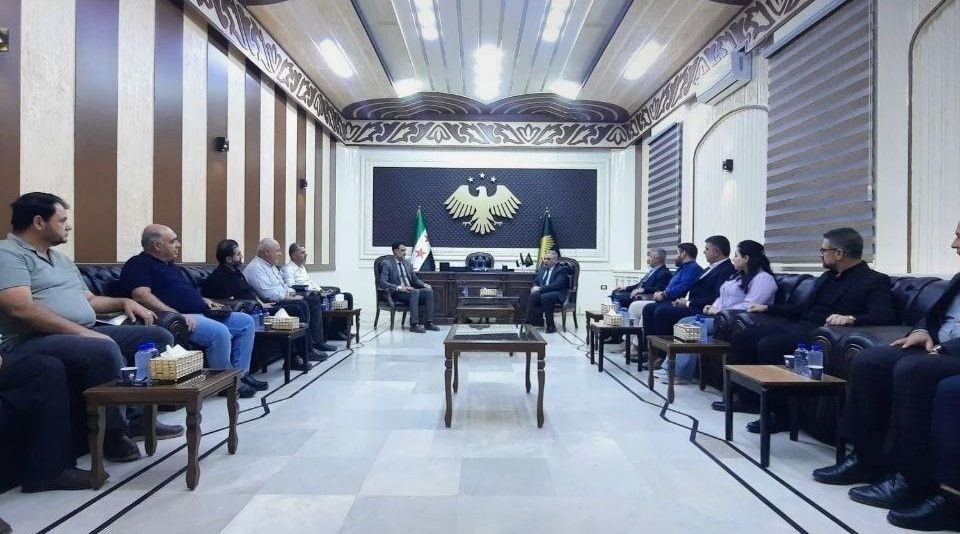
In a move aimed at bolstering the agricultural sector in Al-Hasakah province, the General Establishment for Seed Multiplication has initiated efforts to reactivate its local branch and resume production activities. A high-level delegation from the Establishment’s general administration, led by Director General Engineer Ammar Al-Muhammad and accompanied by several central directors, visited the province to coordinate the necessary steps for securing high-quality seeds for local farmers.
The initiative is designed to alleviate burdens on farmers, improve agricultural productivity, and provide stability for the upcoming season. During the visit, the delegation held technical meetings with the director of the Establishment’s Al-Hasakah branch and its technical staff. These discussions focused on assessing current operations and identifying effective methods to enhance performance and expand services to better meet the needs of the agricultural community.
As part of the inspection, the delegation conducted site visits to the province’s grain sieving and treatment centers. These inspections were intended to evaluate the current technical readiness of the facilities and determine the requirements needed to ensure they are fully operational before the start of the next planting season.
This move is part of the Establishment’s ongoing efforts to supply improved and treated seeds across various Syrian provinces, with a particular emphasis on wheat as a strategic crop. By providing quality inputs, the Establishment aims to enhance production standards and ensure the continuity of agricultural cycles.
This reactivation effort follows a similar trajectory recently undertaken by the institution. On September 26, the Establishment successfully resumed operations at its branch in Deir ez-Zor. That facility had remained inactive for 14 years due to damage, but was brought back online following an upgrade that included the installation of new sieving machinery. These developments reflect a broader strategy to rehabilitate agricultural infrastructure in the eastern regions, ultimately supporting local food security.
Source: Syria Focus Arabic
